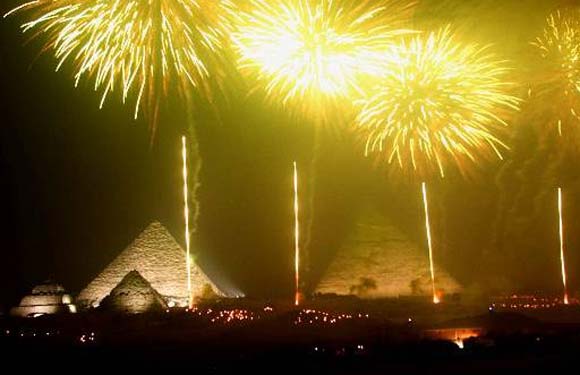
New Year in Egypt and around the World

bestnewyearevecelebrationsacrosstheglobeegypt_13874393001

The celebration of the New Year is the oldest of all holidays. It was first observed in ancient Babylon about 4000 years ago. In the years around 2000 BC, the Babylonian New Year began with the first New Moon (actually the first visible crescent) after the first day of spring. The beginning of spring is a logical time to start a new year. After all, it is the season of rebirth, of planting new crops, and of blossoming. January 1, on the other hand, has no astronomical or agricultural significance. The Babylonian New Year celebration lasted for eleven days. Each day had its own particular mode of celebration, but it is safe to say that modern New Year’s Eve festivals pale in comparison. The Romans continued to observe the New Year in late March, but their calendar was continually tampered with by various emperors so that the calendar soon became out of synchronization with the sun. In order to set the calendar right, the Roman senate, in 153 BC, declared January 1 to be the beginning of the New Year. But tampering continued until Julius Caesar, in 46 B.C, established what has come to be known as the Julian calendar. It again established January 1 as the New Year. But in order to match the calendar with the sun, Caesar had to let the previous year drag on for 445 days.

THE CHURCH’S VIEW OF NEW YEAR CELEBRATIONS:

Although in the first centuries AD the Romans continued celebrating the New Year, the early Catholic Church condemned the festivities as paganism. But as Christianity became more widespread, the early church began having its own religious observances concurrently with many of the pagan celebrations, and New Year’s Day was no different. New Years is still observed as the Feast of Christ’s Circumcision by some denominations. During the middle Ages, the Church remained opposed to celebrating New Years. January 1 has been celebrated as a holiday by Western nations for only about the past 400 years.

NEW YEAR TRADITIONS

Other traditions of the season include the making of New Year’s resolutions. That tradition also dates back to the early Babylonians. Popular modern resolutions might include the promise to lose weight or quit smoking. The early Babylonian’s most popular resolution was to return borrowed farm equipment. The Tournament of Roses Parade dates back to 1886. In that year, members of the Valley Hunt Club decorated their carriages with flowers. It celebrated the ripening of the orange crop in California. Although the Rose Bowl football game was first played as a part of the Tournament of Roses in 1902, it was replaced by Roman chariot races the following year. In 1916, the football game returned as the sports centrepiece of the festival. The tradition of using a baby to signify the New Year was begun in Greece around 600 BC. It was their tradition at that time to celebrate their god of wine, Dionysus, by parading a baby in a basket, representing the annual rebirth of that god as the spirit of fertility. Early Egyptians also used a baby as a symbol of rebirth. Although the early Christians denounced the practice as pagan, the popularity of the baby as a symbol of rebirth forced the Church to revaluate its position. The Church finally allowed its members to celebrate the New Year with a baby, which was to symbolize the birth of the baby Jesus. The use of an image of a baby with a New Years banner as a symbolic representation of the New Year was brought to early America by the Germans. They had used the effigy since the fourteenth century..

FOR LUCK IN THE NEW YEAR

Traditionally, it was thought that one could affect the luck they would have throughout the coming year by what they did or ate on the first day of the year. For that reason, it has become common for folks to celebrate the first few minutes of a brand new year in the company of family and friends. Parties often last into the middle of the night after the ringing in of a new year. It was once believed that the first visitor on New Year’s Day would bring either good luck or bad luck the rest of the year. It was particularly lucky if that visitor happened to be a tall dark-haired man. Traditional New Year foods are also thought to bring luck. Many cultures believe that anything in the shape of a ring is good luck, because it symbolizes “coming full circle,” completing a year’s cycle. For that reason, the Dutch believe that eating donuts on New Year’s Day will bring good fortune. Many parts of the U.S. celebrate the New Year by consuming black-eyed peas. These legumes are typically accompanied by either hog jowls or ham. Black-eyed peas and other legumes have been considered good luck in many cultures. The hog, and thus its meat, is considered lucky because it symbolizes prosperity. Cabbage is another “good luck” vegetable that is consumed on New Year’s Day by many. Cabbage leaves are also considered a sign of prosperity, being representative of paper currency. In some regions, rice is eaten on New Year’s Day.

*******

HAPPY NEW YEAR AND PEACE TO THE WORLD.

More from Egypt soon
Egypt_1747-2

Brigitte


Posted in Egypt, Islam, Pyramids, Religion | Tagged , , , , , | 2 Comments

Christmas in Egypt


by Nermin Sami and Jimmy Dunn

Egypt celebrates The Nativity (Christmas)

Because of the time the Holy Family spent in Egypt with the infant Jesus, Christmas is a very special celebration in Egypt. In Egypt, Copts, who are Egypt’s traditional Christians, have their own Pope who is the head of the Coptic churches of Egypt and the Sudan. Copts consider St. Mark to be their first Pope. He introduced Christianity to Egypt, and for hundreds of years, Alexandria was the home of the Pope. Today his cathedral is in Cairo, where services are usually held in the ancient Coptic language.

A surprising number of Egyptian traditions have survived from ancient Pharonic Egypt, and perhaps one of the most striking is the Coptic calendar. Each of the names of the twelve months in the Coptic calendar retains a vestige of an ancient deity or feast, no doubt reflecting the conservative nature of the inhabitants of the Nile Valley.

Egyptian Orthodox Christians (or Coptic Christians) celebrate the birth of Jesus Christ on January 7th, a date equivalent to the 29th day of the Coptic month of “kiohk, or Khiahk”, though this date in relation to the western calendar advances over long periods of time. Of course, in many other countries Christmas is celebrated on December 25th, though celebrating Christmas on this date is not unique to the Copts. For example, the Russian Orthodox Church also celebrates Christmas on January 7th. The difference in the dates comes from the difference between the Coptic and Gregorian calendars. This means, for example, that beginning March 1st of 2100 AD, the Coptic Christmas will be celebrated on the 8th day of January in relation to the Western calendar.

Much of the Christmas celebration actually begins in the last week leading up to Christmas. This is when much of the cooking takes place, and like in the west, homes are decorated with lights and Christmas trees.

Some Christmas trees are real, but many are artificial. One will even find Christmas trees in Coptic operated businesses. Christmas cards are also sent out.

An Egyptian Christmas Card produced on recycled paper

Christmas in Egypt is not nearly as commercial as it is in the west, and indeed, there seems to be a specific effort to make it less commercial. Stores are not nearly as crowded as one might expect. In fact, many gifts are purchased at special Christmas bazaars that support local charities. Other bazaars are more commercial, but still some of their profits usually go to charity.

Nowadays, the Coptic Nativity is celebrated by a special midnight service in the church, followed by the ringing of the church’s bells. Some Coptic Christians travel to various churches that are traditionally considered to be situated on the route of the Holy Family as they traveled through Egypt, but the largest service is held by the Coptic Pope in Saint Mark’s cathedral in Cairo. This service, usually conducted by the Pope at the 11:00 PM service, is even broadcast on Egyptian TV. However, some services may last from about 9:00 PM until as late as 4:00 AM. Most of the churches are decorated with colored lamps, mangers and angels. Most of the faithful attend church in their newest clothes, and it is a very wonderful experience.

Another Christmas scene

Copts also make special sweet biscuits for the Nativity that are decorated with a cross. In fact, it’s the same “kahk” that Muslims make for Eid el fitr. Whether Egyptians are Muslims or Christians, their way in celebration is the same.

In the Egyptian Coptic church, a special bread called “Qurban” is given to people during the service in the church and it is also available outside the church after the service. It is made in very large quantities for the big festivals. Qurban bread is decorated with a cross in the middle, surrounded by twelve dots. Of course, those dots represent the twelve apostles of Jesus Christ.

After the service, families go home to break their fast and children receive new clothes and gifts. The meal is called fatta, and usually consists of meat and rice.On Christmas morning people visit friends and neighbors. Children are given El ‘aidia, a feast gift consisting of a small sum of money to buy sweets, toys and ice cream.

Christmas Otherwise

Christmas in Egypt is not limited to the Copts. Certainly there are, though limited, a number of other Christian sects in Egypt, some of whom celebrate Christmas on the same day as in the west. However, westerners themselves have a long tradition of spending Christmas in Egypt, and more than a few hotels and other facilities cater to western style Christmas affairs.This all started back in the grand old days of Egyptian travel during the late 19th and early 20th centuries, when many wealthy Europeans would winter in Egypt. Then, wonderful establishments such as the Mena House would “dress” for Christmas, when the whole ground floor was turned into a winter scene with artificial snow and frosted trees and plants. Log fires would burn merrily in the many fireplaces, while elegantly dressed women, their escorts in full evening dress or splendid uniforms, would continue to arrive until late in the evening.

However, today, many Muslims in Egypt even get into the Christmas spirit. Though they may not celebrate Christmas as directly, it is not unusual for Muslims to participate in some of the celebrations, just as Christians in Egypt sometimes celebrate Muslim holidays. This is really one of the more interesting aspects of Egyptian life, where there is often a surprising amount of interfaith coexistence.

Today, the Christmas season remains a high season in Egypt, a difficult time to find a room at many of the finer hotels, and between the westerners and the Copts, one can enjoy a rather extended “Christmas season”.

Trivia

The birthplace of the Christmas Tree is Egypt, and its origin dates from a period long antecedent to the Christian era. The palm-tree is known to put forth a shoot every month and a spray of this tree with twelve shoots on it was used in Egypt at the time of the winter solstice as a symbol of the year completed.

The palm-tree spray of Egypt, on reaching Italy, became a branch of any other tree (the tip of the fir was found most suitable from its pyramidal or conical shape) and was decorated with burning tapers lit in honor of Saturn, whose saturnalia were celebrated from the 17th to the 21st of December, the period of the winter solstice. Later, this tradition was carried forward for the Christmas season.

                                                                             ******

Whatever your faith – let this be a moment of peace and joy for everyone, everywhere in the world.

More from Egypt next year

Brigitte

Posted in Alexandria, Egypt, Muslims, Religion, Travel | Tagged , , , , | 1 Comment

Egypt’s Daily Life – Seeing Clearly???

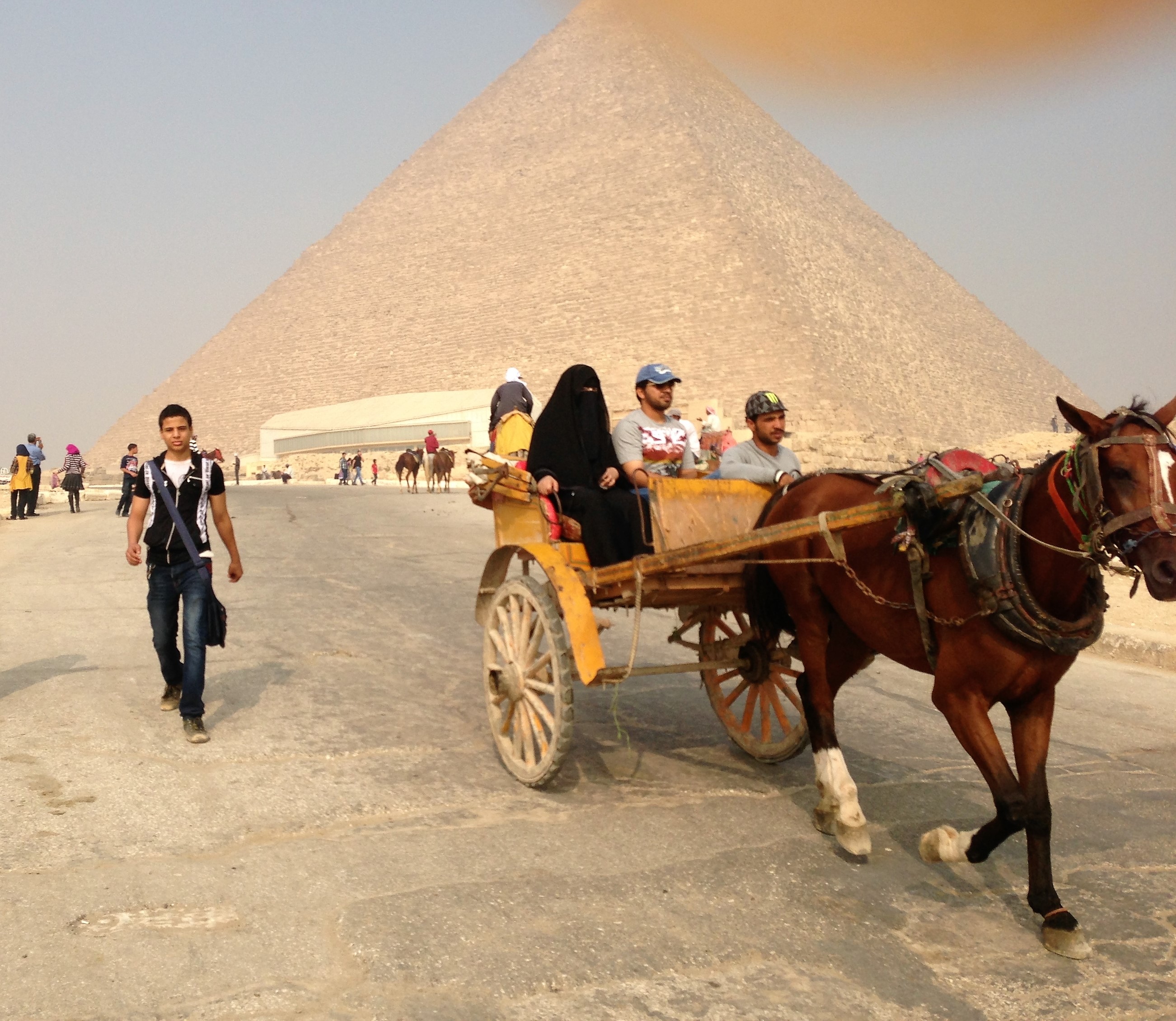
If I was Egyptian I would like to be man. Why?  I like to see clearly and I don’t know if I could if I was the lady taking a buggy ride while visiting the Pyramids – but I suppose it’s all about what one is used to?

img_2309-3

More from Egypt soon

Brigitte

Posted in Egypt, Muslims, Travel | Tagged , , , | Leave a comment

Egypt – 2,000-year-old Pet Cemetery

Dogs, monkeys, cats: 2,000-year-old pet cemetery uncovered in Egypt

By Tracy Watson – Special for USA Today Dec. 2, 2016

In Egypt’s ancient town of Berenike, archeologists discovered a nearly 2000-year-old pet cemetery with dogs, cats and monkeys. Elizabeth Keatinge (@ekeatinge) has more. Buzz60

A nearly 2,000-year-old pet cemetery holding the remains of dogs, monkeys and scores of cats has been uncovered in an ancient Egyptian town, archaeologists say.

A few animals still wore iron collars when they were laid to rest, and the graves of two young cats include ostrich-shell beads. Some of the beasts’ bodies were nestled under mats or pottery jars, signaling they were deliberately buried rather than just discarded as trash, researchers argue.

The careful treatment of the animals’ bodies suggests an “emotional (relationship) between men and pets as we know it today,” says Marta Osypińska of the Polish Academy of Sciences, the author of a new study in the journal Antiquity.

It’s not uncommon to find pets buried in ancient Egypt, but most were interred with or near their owners. The only humans buried near these pets were two people buried three centuries after the animals, Osypińska says.

Osypińska and her colleagues stumbled across the pets while excavating a trash dump just outside the ruins of Berenike, an ancient Egyptian port town along the Red Sea. The place was animal-centric from the beginning, originally serving as a way station for African elephants bound for battlefields. The pet burials date to the first and second centuries A.D., when the town was a busy trading center and the Romans held sway.

The Romans loved their pets, especially their dogs, and one grave at Berenike holds a young dog probably imported from either Rome or Greece. A heavily built animal similar to a mastiff, its belly held a final meal of fish and goat meat, and its skeleton shows it suffered from a painful bone cancer still common among dogs today. Its body had been wrapped in a basket and covered with pieces of broken pottery, clear evidence it was “a very loved animal,” says the University of Delaware’s Steven Sidebotham, who directs research at Berenike.

Elsewhere in Egypt, researchers have found vast animal cemeteries, among them a catacomb holding an estimated 8 million mummified dogs. Pilgrims would purchase such mummies as religious offerings, and animals interred at ritual burial grounds may have been bred solely for sacrifice and mummification. So it’s possible Berenike animals were likewise interred for some ritual purpose, says Wim Van Neer of Belgium’s Natural History Institute, who has done research at Berenike in the past.

The burials are “a very nice find,” says Salima Ikram of The American University in Cairo, but she wonders whether some of the animals were considered rubbish, given their location in a trash heap. She also points out that pet ownership is well known from ancient Egypt. Wall paintings depict pet cats, and ancient Egyptians have been found buried with pet dogs, monkeys and even a gazelle.

Osypińska responds the Berenike cats show no signs of having had their necks twisted, unlike the mummified cats buried for ritual reasons. She adds that most of the animals show signs of attentive burial – a deliberately dug grave pit, for example, or careful positioning of the body.

Though the Berenike animals were not the first pets in Egypt, they’re notable because of the conditions in which they were kept, Sidebotham says.

Berenike was “way out on the edge of nowhere,” he says, a site so remote and harsh that most food was imported from hundreds of miles away. “What makes this unique is (despite) the very rough circumstances in which these people are living, they still manage to find the time and effort to have companion animals with them.”

                                                                  **********

More from Egypt soon

Brigitte

 
Posted in Egypt, Excavations | Tagged , , , | Leave a comment

Egypt no longer on US State Deparment travel warning list

Ahram Online , Wednesday 23 Nov 2016

Travel

File Photo: This Aug. 30, 2015, photo, shows camels resting between rides with their owners against the backdrop of the pyramids in Giza, Egypt. (Photo: AP)
 

Egypt’s tourism minister Yahia Rashed hailed the US Department of State’s recent decision to classify Egypt as a safe country for travel, describing it as a positive sign for Egypt’s tourism sector.”The decision is a message of reassurance on the safety of our touristic destinations,” the minister said in an emailed statement on Wednesday.

Egypt was not included in the list , of countries that are facing a travel warning or alert, set by the US Department of State.

According to the US Department of State, a travel warning is an advisory against travelling to certain destinations, while an alert offers information citizens should be aware of before travel to certain places.

However, the U.S. Embassy in Cairo still “restricts its employees and their family members from traveling outside of Cairo without prior approval and advises all U.S. citizens to carefully consider the security implications of travel outside of the greater Cairo metropolitan area.”

The US Department of State has issued an alert to its citizens on the heightened risk of terrorist attacks throughout Europe, particularly during the holiday season. The travel alert to Europe expires on 20 February 2017.

The State Department has urged travellers to avoid large crowds and tourist sites, citing previous attacks in France and Belgium.

Travel warnings remain in place until there is a change in the situation of the destination country, and are often in place for years, while alerts expire after a certain period if not renewed.


**********

More from Egypt soon

Brigitte


Posted in Foreign Policy, Tourism, Travel | Tagged , | 4 Comments

Pahraoh Ramses II – Even the Great Can Fall

Ramses II was one of Egypt’s longest reigning pharaohs – over 65 years – he died when he was in his 90s. His statues, bigger than life, bigger than anything, can be found all over Egypt.

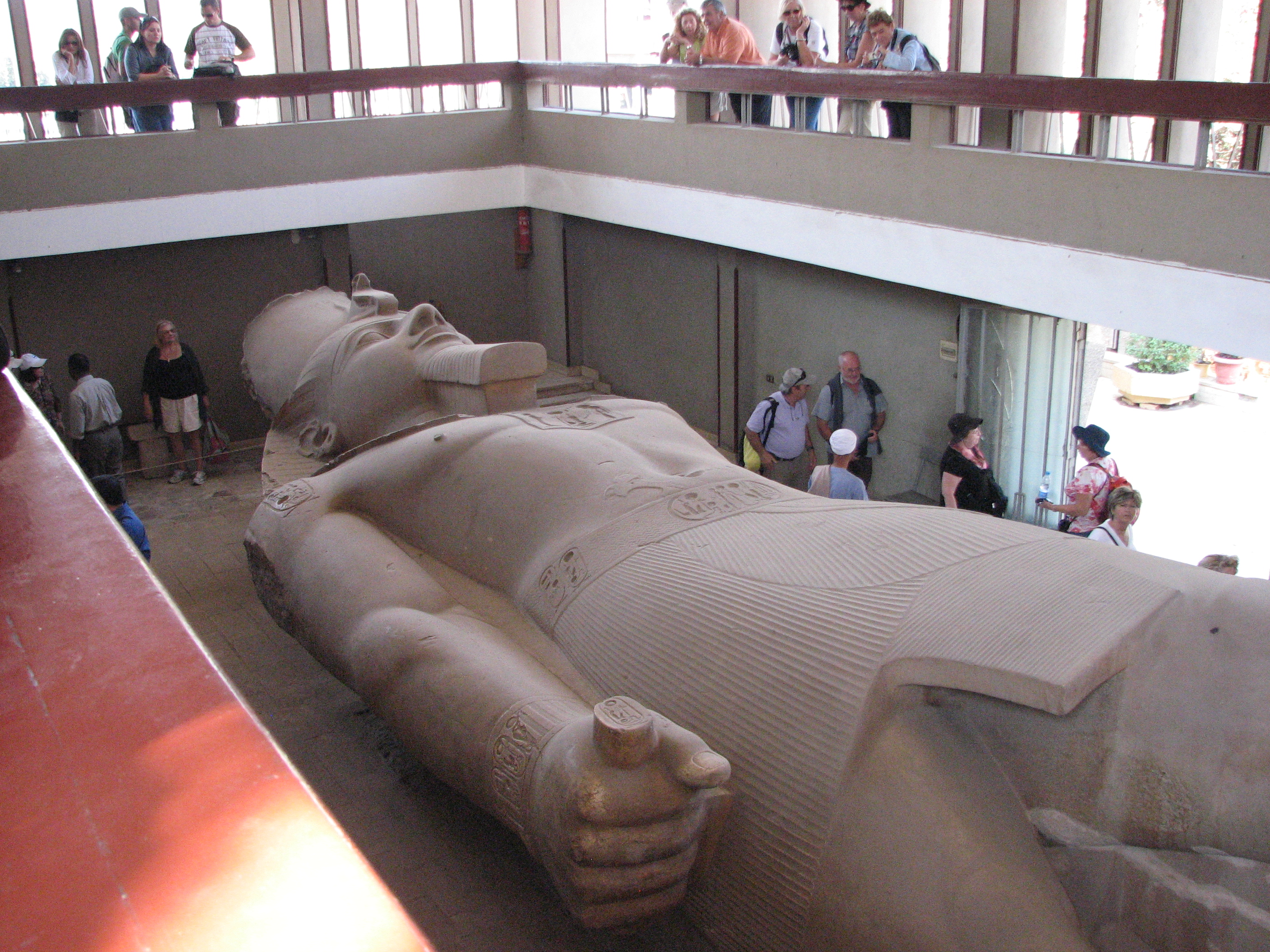
But even the biggest can fall. In Memphis, once Egypt’s capital, there is a statue of Ramses II – laying down. It was discovered 1829 by Giovanni Caviglia. When is was given to the British Museum they had to refuse the gift because the task of moving it prevented it from  going to England.img_7516

Today the colossus is still laying in Memphis and a small museum has been built around him to protect the statue from deteriorating. It is nearly 39 feet long, and that is without the lower part of his legs and feet.

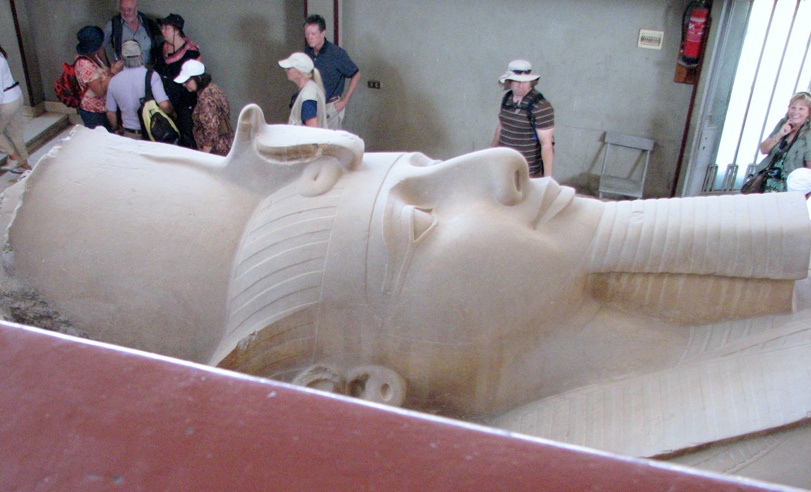
And when standing in front of this magnificently carved monument one can only wonder if his smile hides something he won’t tell us.img_7515-2

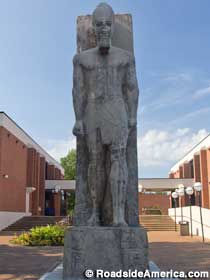
But in America we should not be jealous, because in 1991 with permission of Egypt a fiberglass replica was built of the statue of Ramses II which now stands in front of the University of Memphis in Tennessee  – what is the connection? Memphis of course! tnmemramesses_dk2193

More from Egypt soon

Brigitte


Posted in Egypt, Excavations, Travel | Tagged , , , | 1 Comment

Ancient Mymmy discovered near Luxor

Ancient Egyptian mummy discovered ‘in very good condition’

Spanish archaeologists find remains in tomb said to date from between 1075BC and 664BC near Luxor in southern Egypt

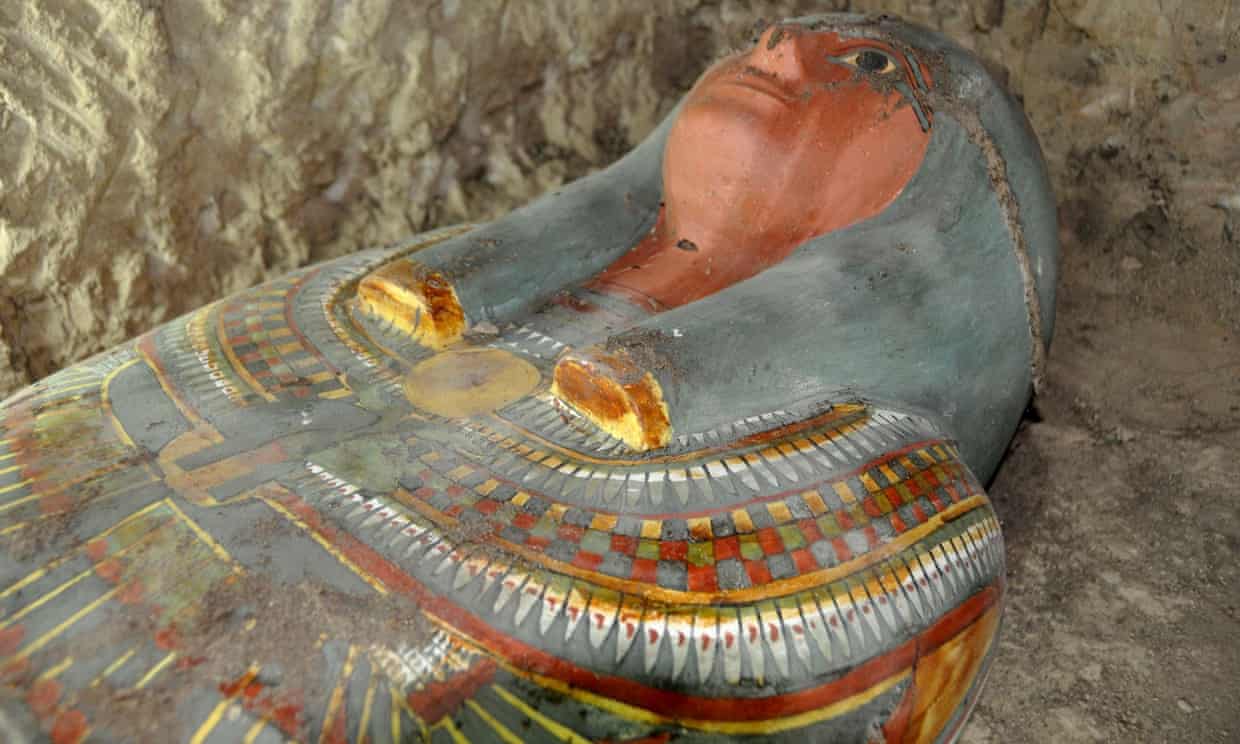
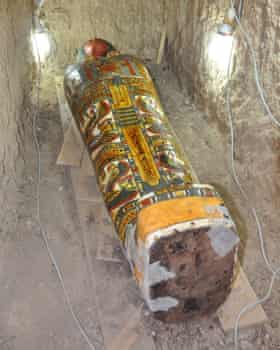
Sarcophagus containing the mummy that has been found near Luxor
Sarcophagus containing the mummy that has been found near Luxor. Photograph: AFP/Getty Images

Spanish archaeologists have discovered an ancient Egyptian mummy in “very good condition” near Luxor, according to Egypt’s antiquities ministry.

The remains were found in a tomb probably dating from between 1075BC and 664BC on the west bank of the Nile, 435 miles (700km) south of Cairo, a statement said.

Sarcophagus
Pinterest
The sarcophagus. Photograph: AFP/Getty Images

The mummy, bound with linen stuck together with plaster, was in a brightly coloured wooden sarcophagus buried near a temple from the era of the warrior king Thutmose III.

The tomb was likely to have belonged to a nobleman, Amenrenef, who would have been a servant of the royal household, the ministry said.

The archaeological team’s head, Myriam Seco Alvarez, said the mummy was adorned with many colourful decorations recalling religious symbols from ancient Egypt, such as the goddesses Isis and Nephtys displaying their wings, and the four sons of Horus.

Evidence suggests that the practice of wrapping bodies to preserve them after death in Egypt dates back as far as 4500BC.

Luxor, a city of about 500,000 people, has many temples and tombs built by pharaohs. It is a key site for Egypt’s tourist industry.

********

More from Egypt soon

Brigitte

Posted in Excavations, Luxor, Tourism, Travel | Tagged , , , , , , , , | 2 Comments

Egypt’s Ancient Stones Coming Back To Life

When visiting Egypt we are all awe-struck by the scale and beauty of temples, statues and columns. But we seldom think of how it is possible that we can see these treasures still today – thousand of years later.

We have to say a big thank you to Egyptologists from many countries,  who have worked with great passion, enormous dedication, and very patiently for many years to give us what we see today.

img_1871

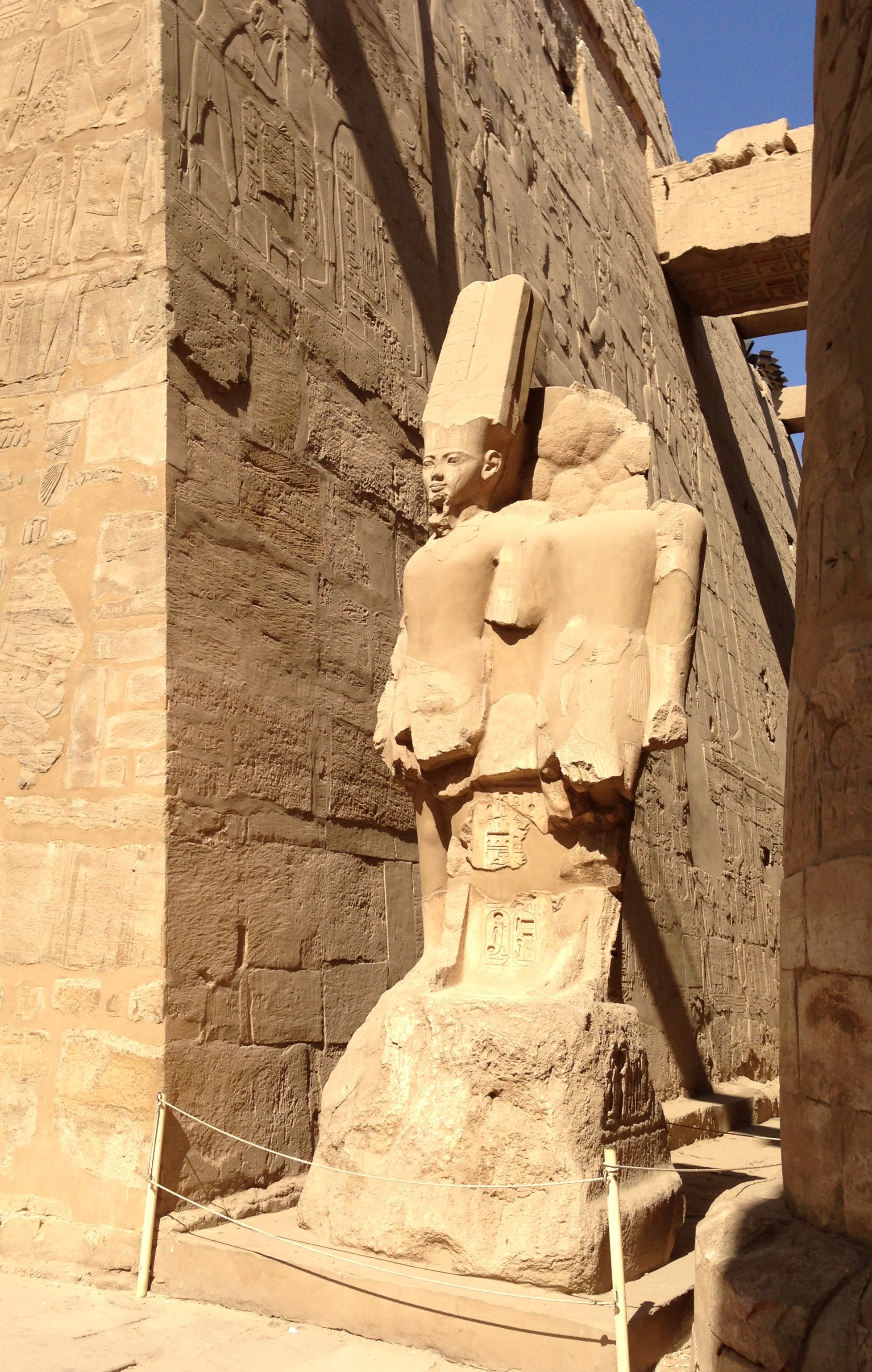
Statue in Karnak Temple

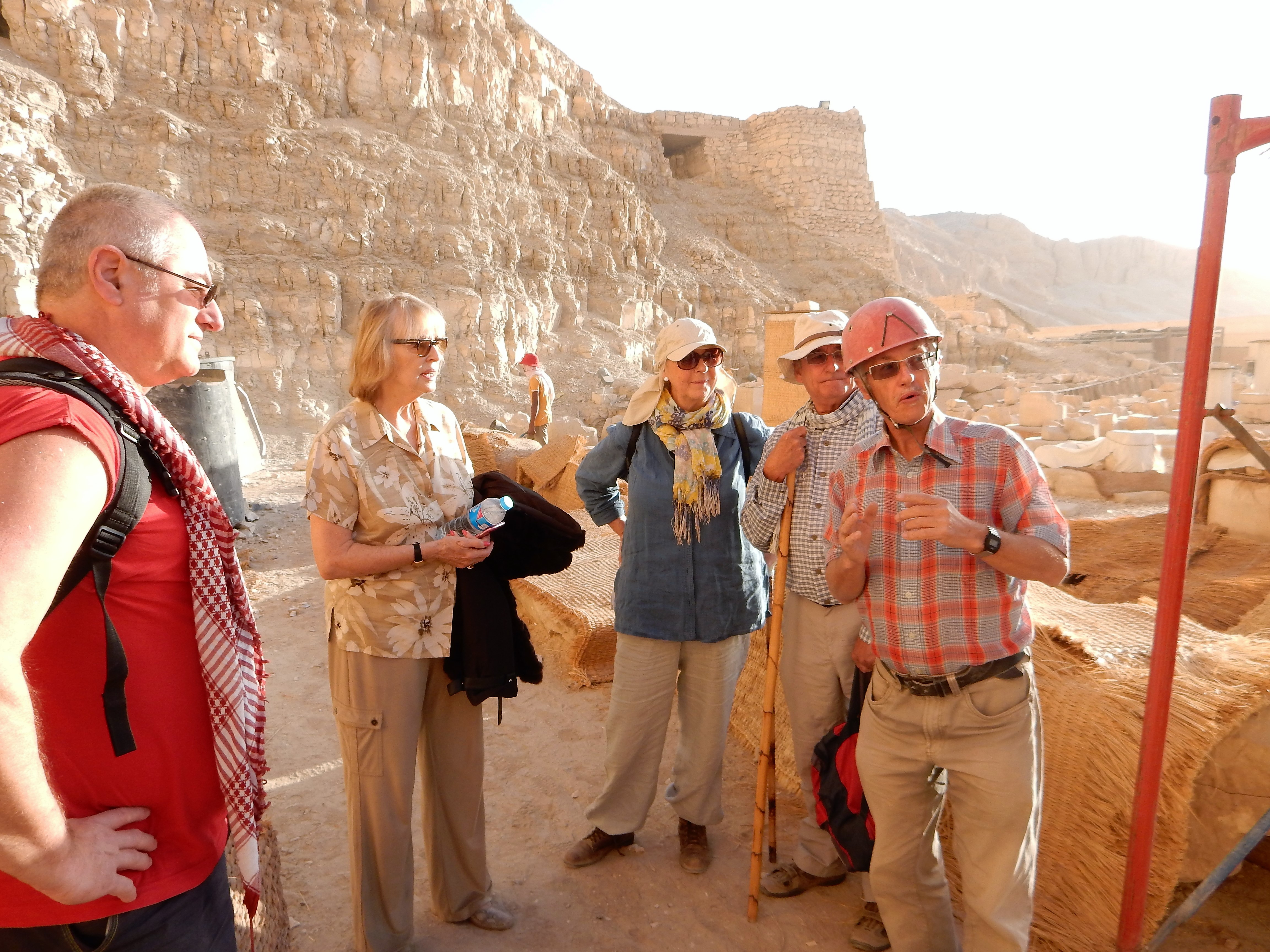
On my last visit I had the lucky chance, I say lucky because the Egyptian government does not allow people to visit excavation sites without authorizations from the state. But somehow on this sunny morning when we visited a site next to Queen Hatshepsut’s Temple someone looked the other way.dscn11361


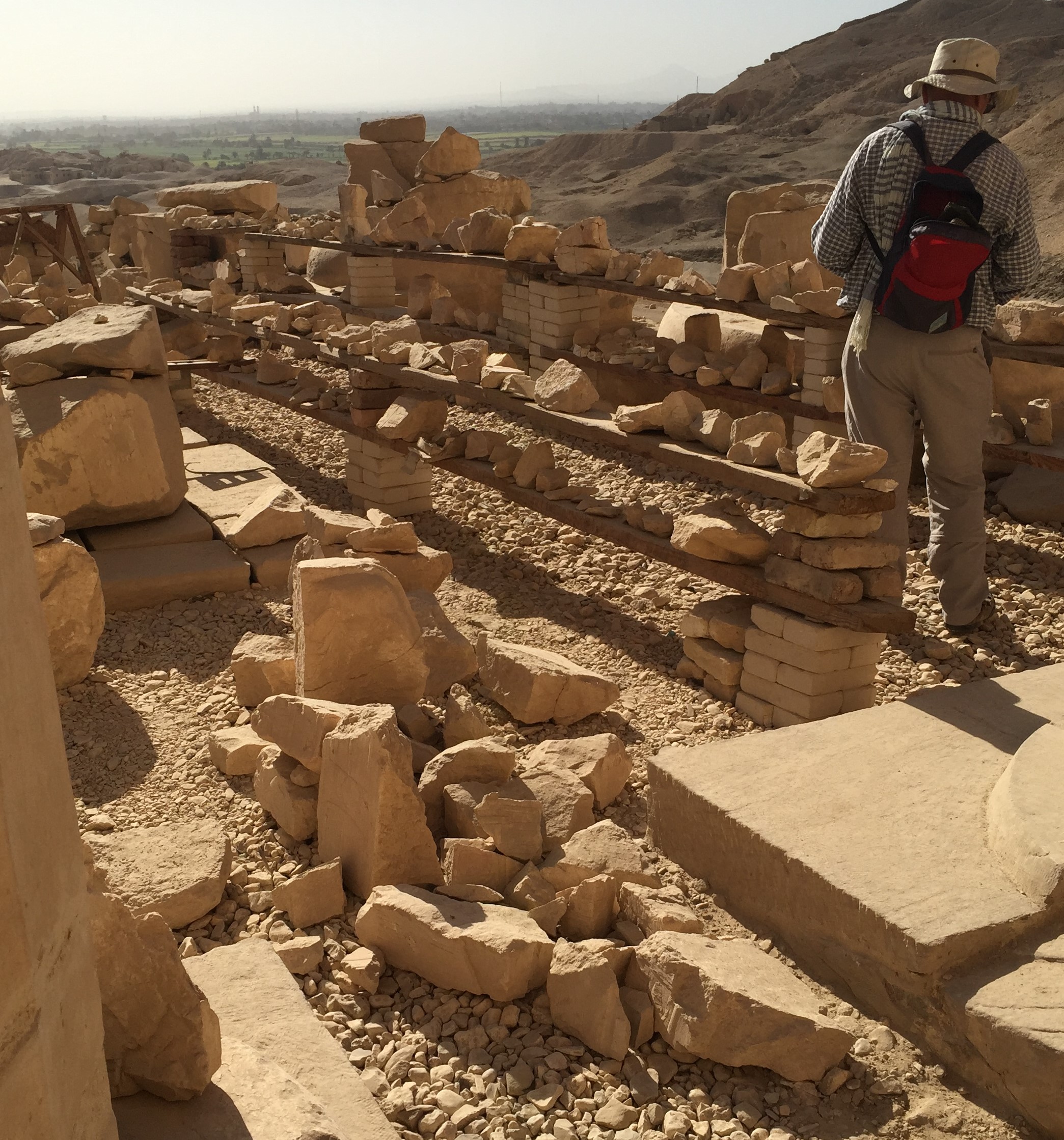
Here I saw how carefully every stone is cleaned, often  by brushing the sand off gently, categorizing it and storing it on shelves img_5847

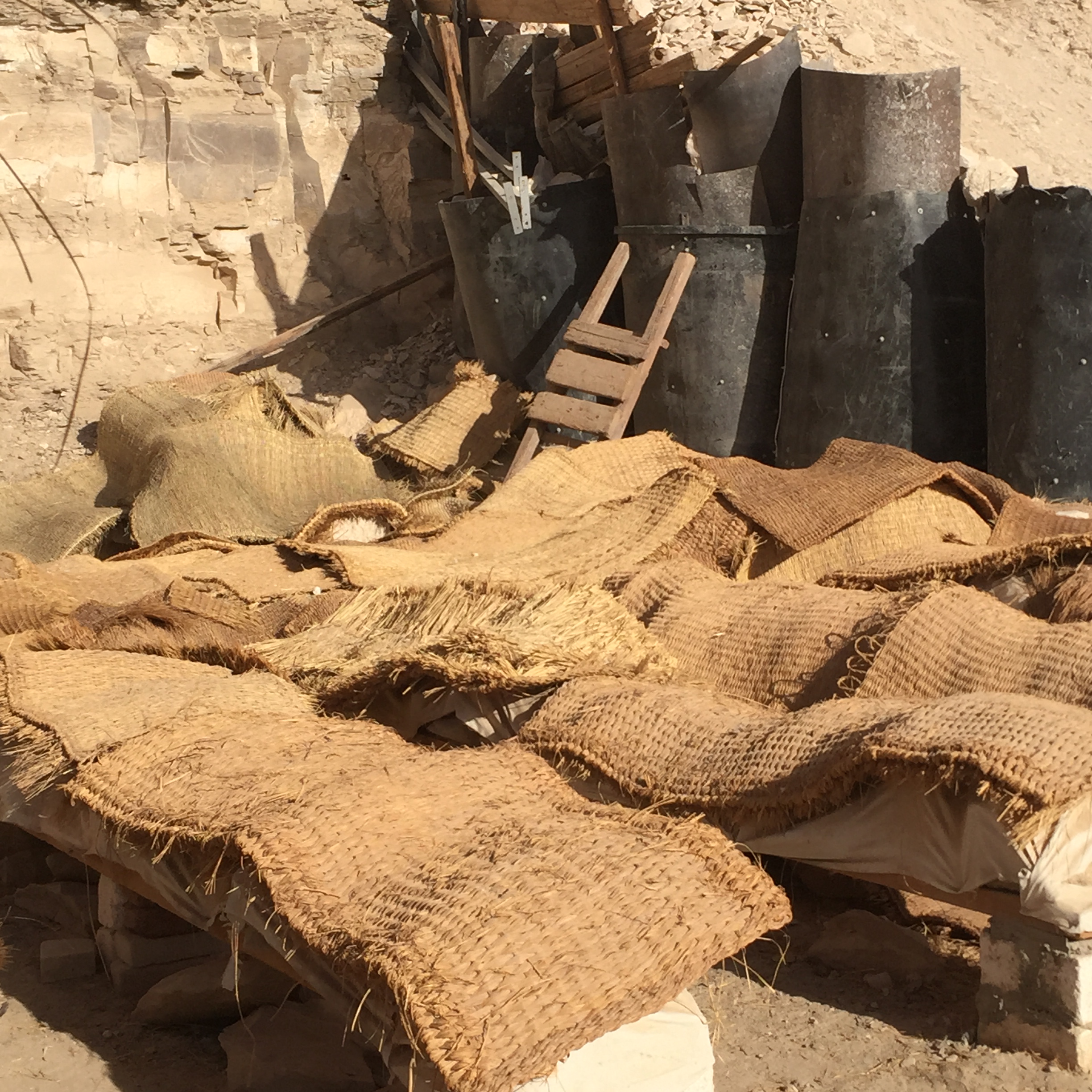
or covering it with mats to protect it from the sun.img_5834

After that the puzzle of putting these pieces in the right place begins. A slow, very slow process. But the results are spectacular.

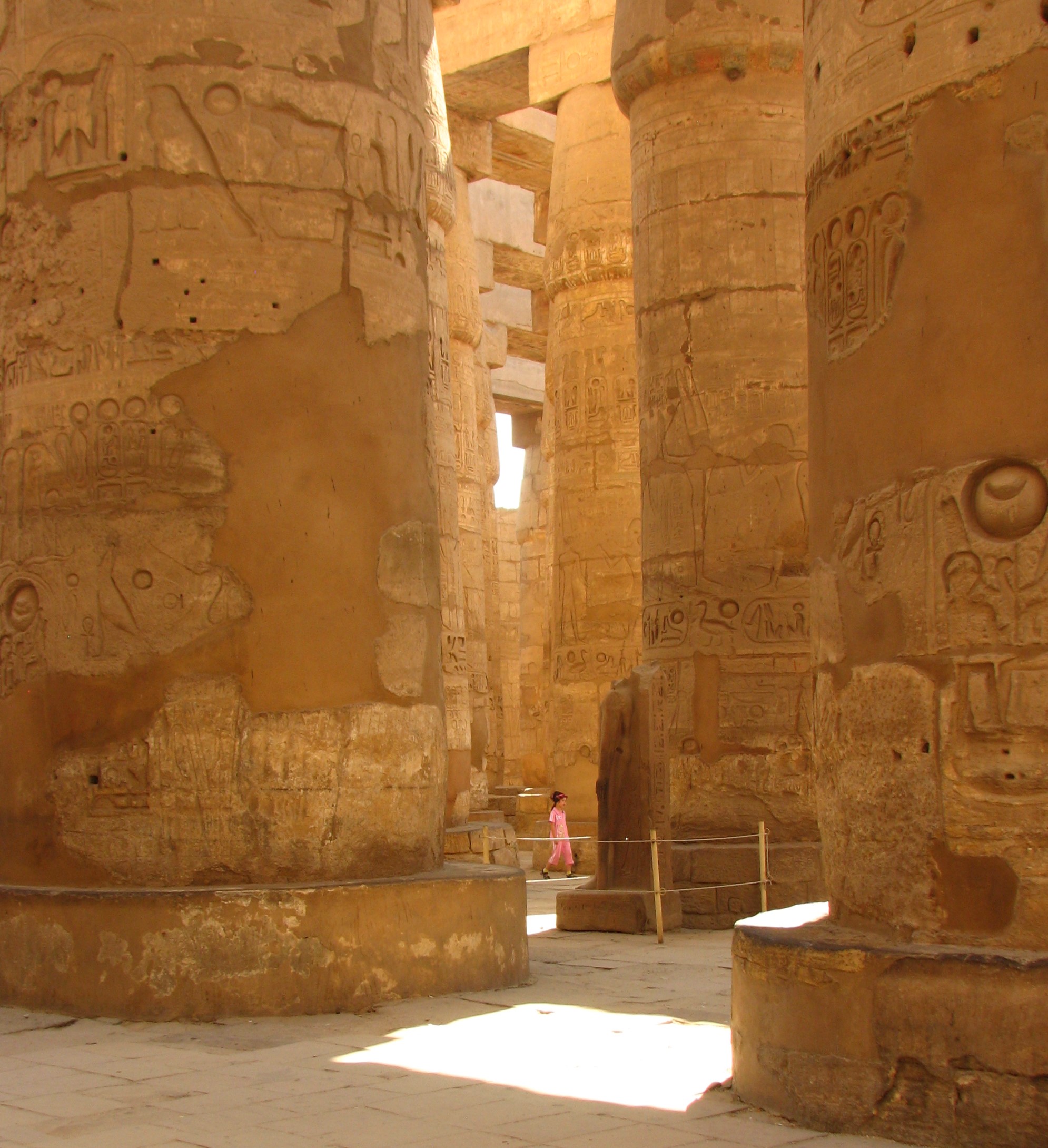
Columns in the Great Hypo Hall in the Karnak Temple

Columns in the Great Hypo Hall in the Karnak Temple

img_0916


img_0813-2

Sometimes the scars of the repair or a missing piece show. Yet they don’t detract from the beauty, or diminish our admiration and wonder.


More from Egypt soon


Brigitte


Posted in Egypt, Egyptologists, Excavations | Tagged , , | 2 Comments

Luxor Temple – People or Ants?

How small we humans look compared to images the Ancient Egyptians left of themselves.


More from Egypt soon

Brigitte

Posted in Ancient Stones, Egypt, Luxor, Tourism, Travel | Tagged , , | 2 Comments

Egypt’s Palm – Trees Dead or Alive

Palm Trees are my favorite kind of tree and when I think of a palm tree I see sunny beaches and long to go on vacation. Or during a hurricane I admire their strength when they resist the forces of the wind making them look indestructible.

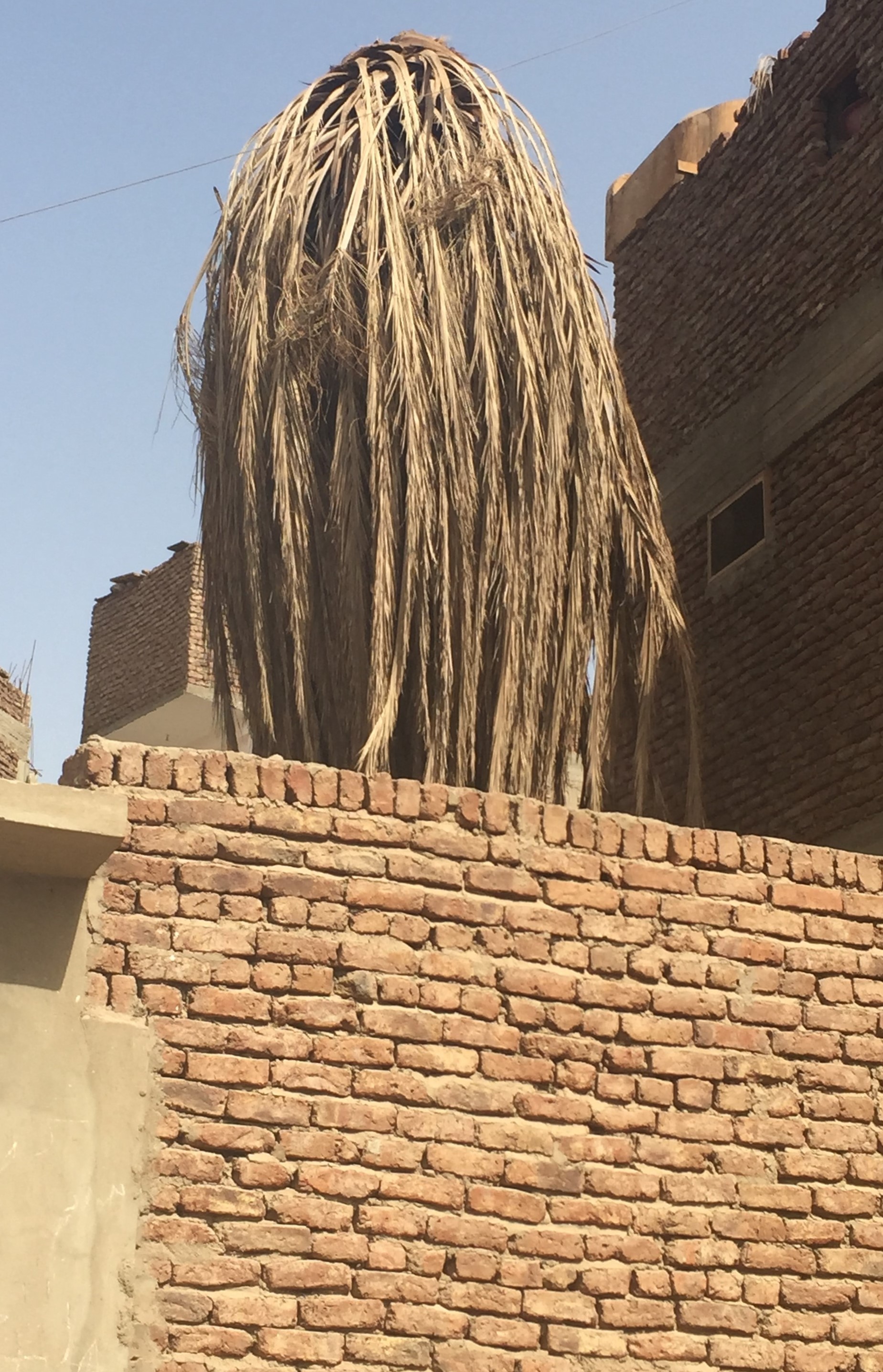
Therefore, I was very surprised when I came to Egypt and saw something resembling a cleaning mob or somebody wearing a bad wig, only to find out that it was a dead palm tree. img_6055-2

Do palm trees die? I felt very sad finding out that they do.img_7862

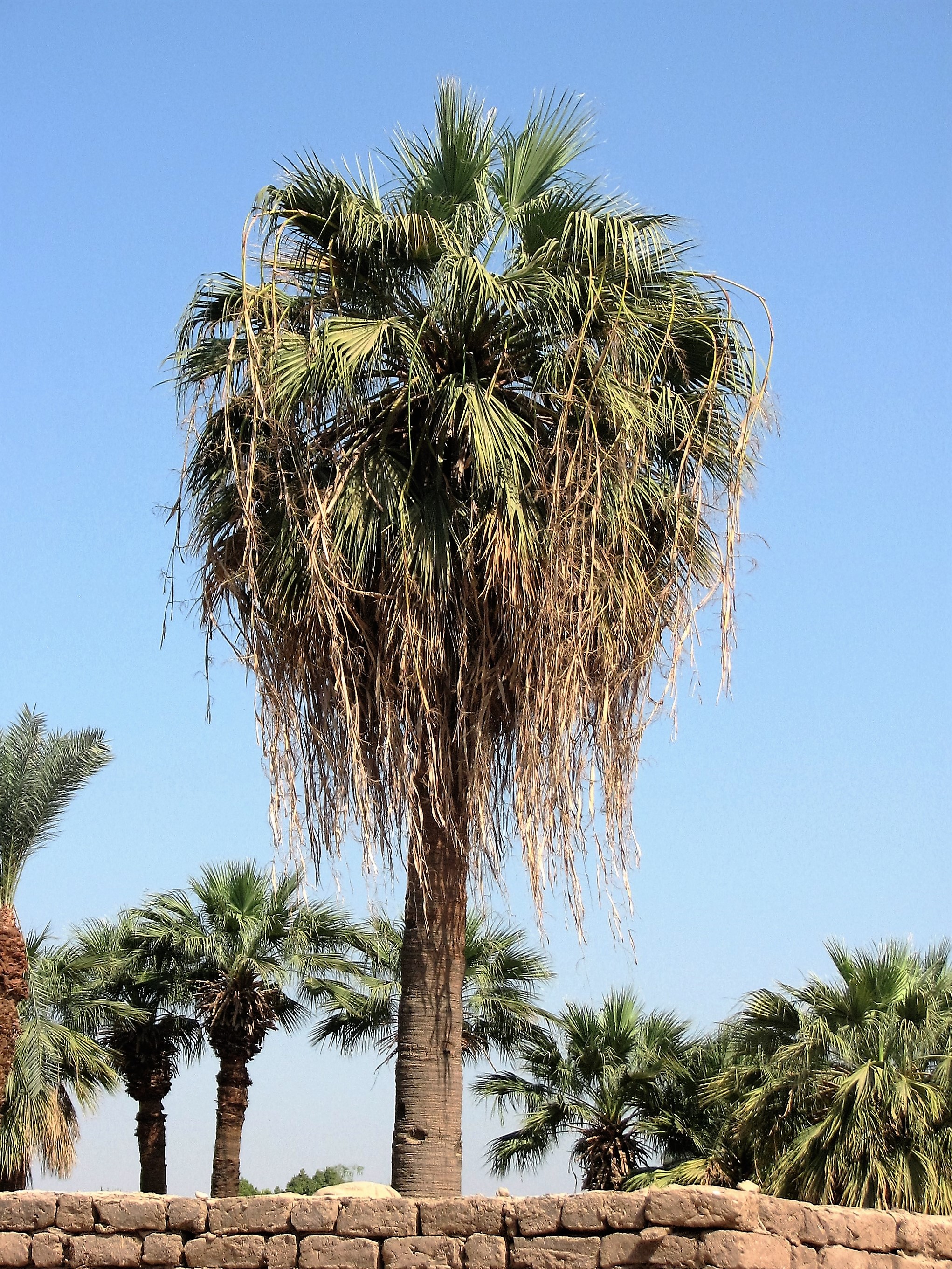
Fortunately I did not see many of them. Most of them are well and alive, decorating Egypt’s sandy landscape.

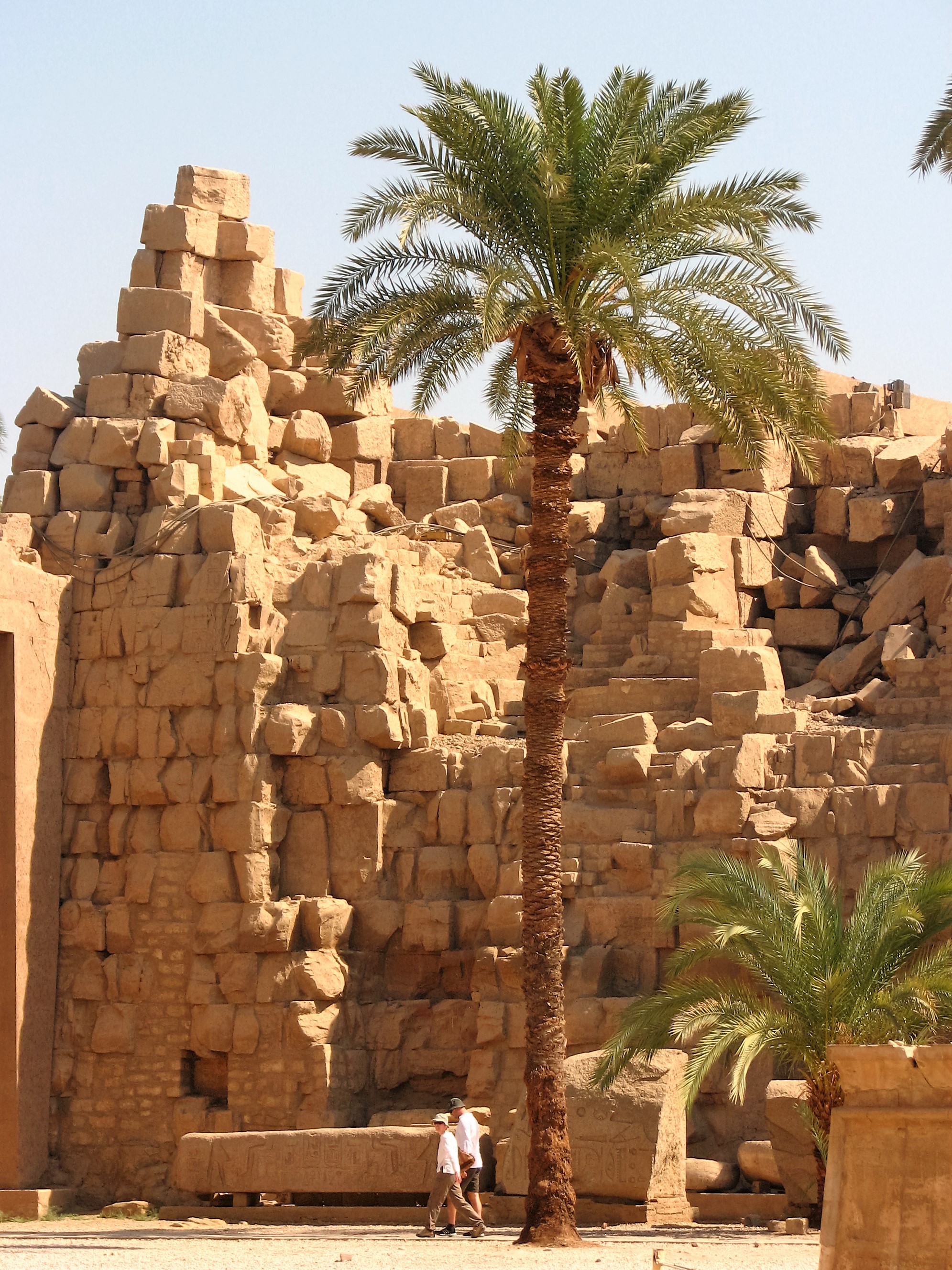
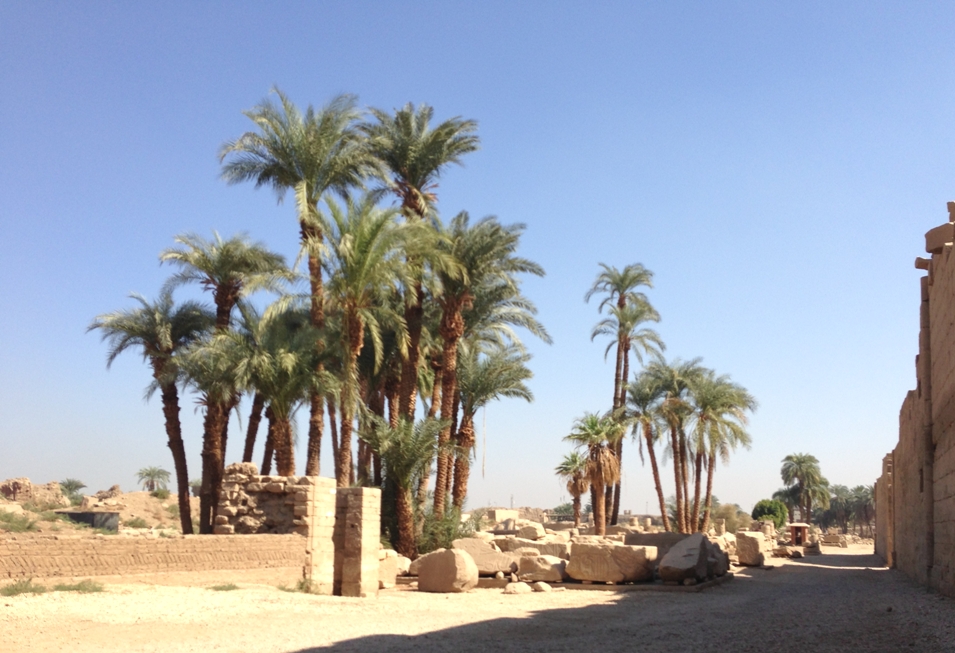
They can be found in Temples, growing out of, and among ancient stones

img_7573-2

KARNAK TEMPLE


img_7983

KARNAK TEMPLE


img_1885-2

OUTSIDE MUSEUM AT KARNAK


img_5576

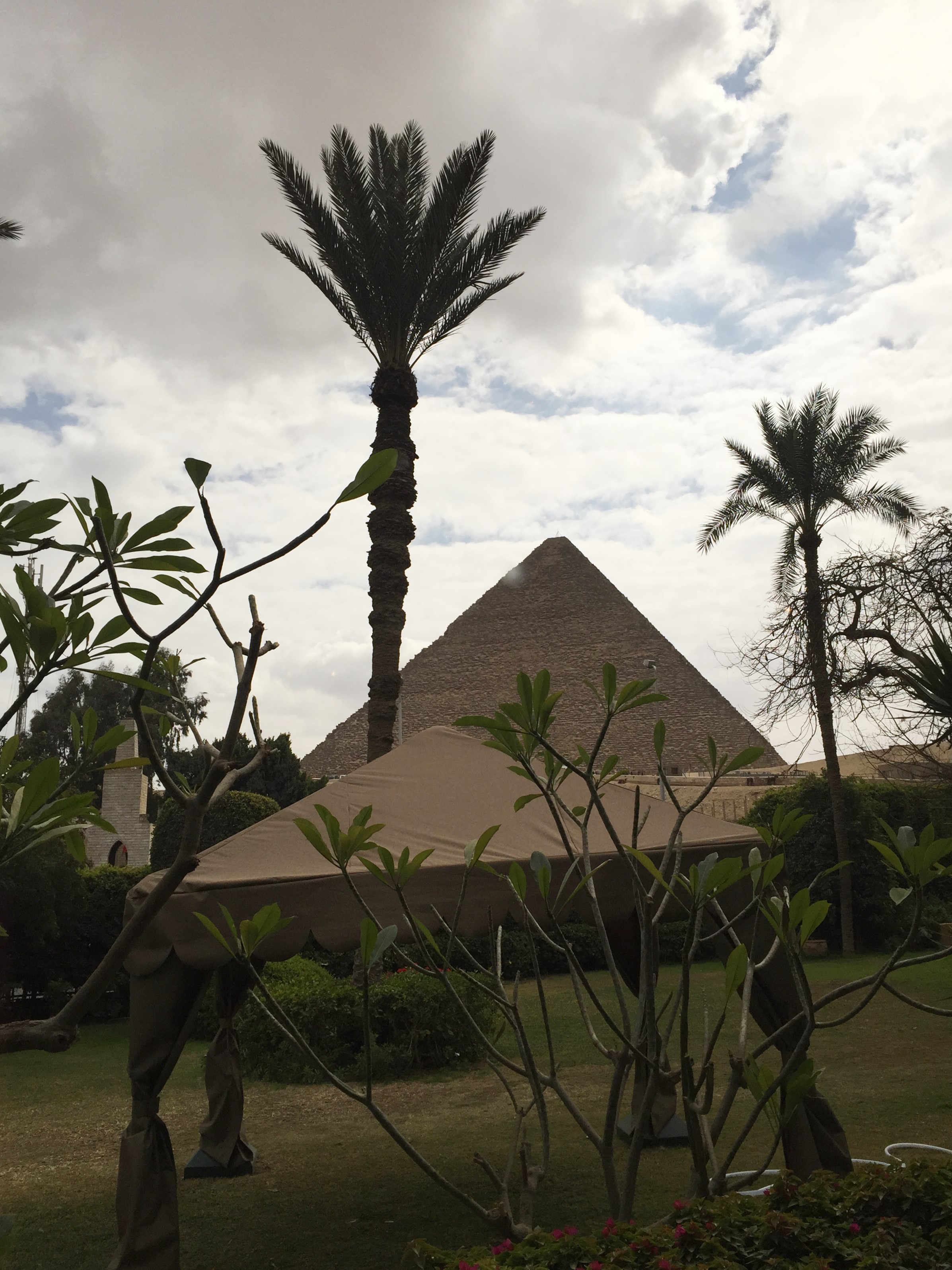
NEAR THE PYRAMIDS


img_0465

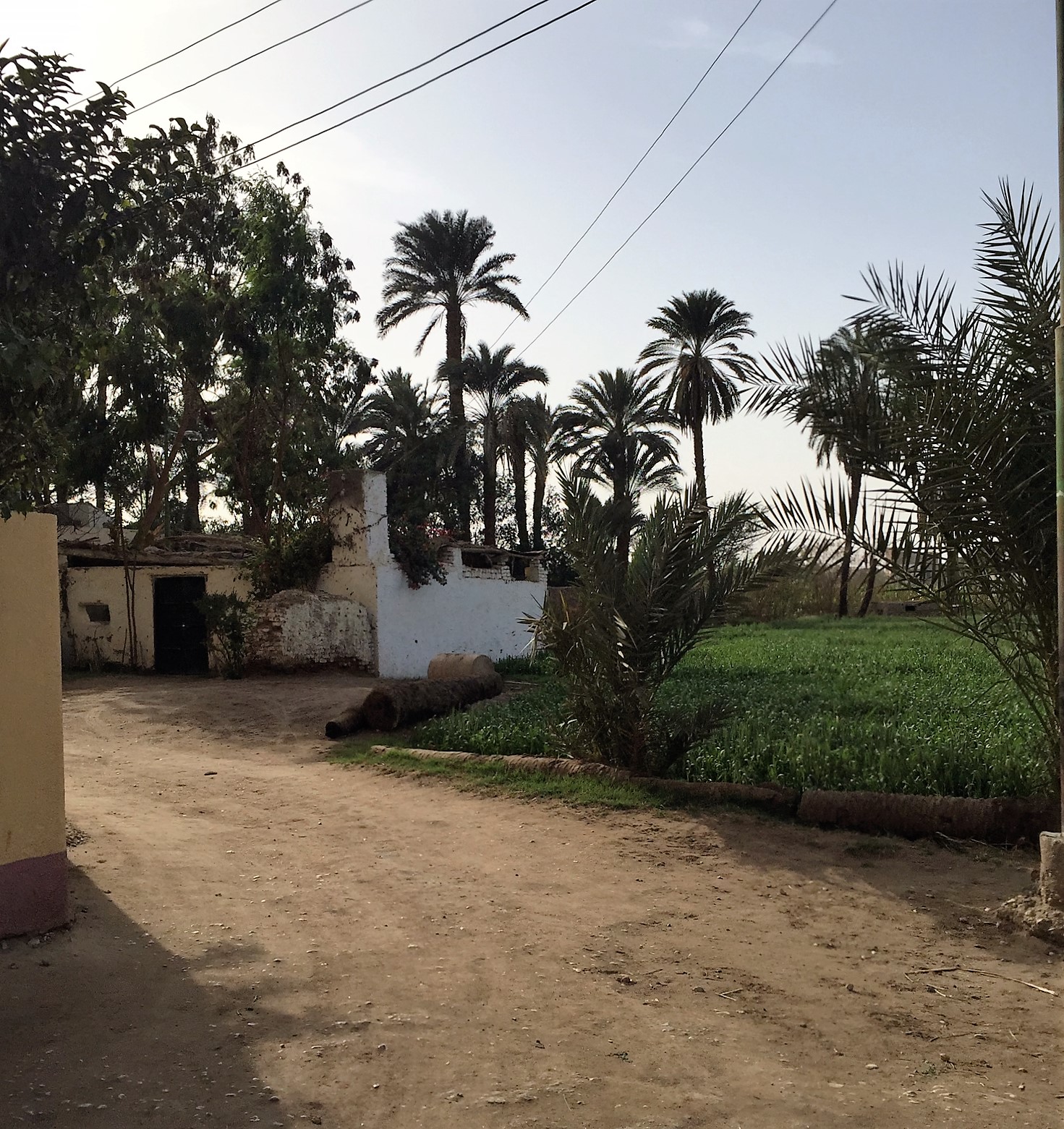
IN VILLAGES


img_0611-2

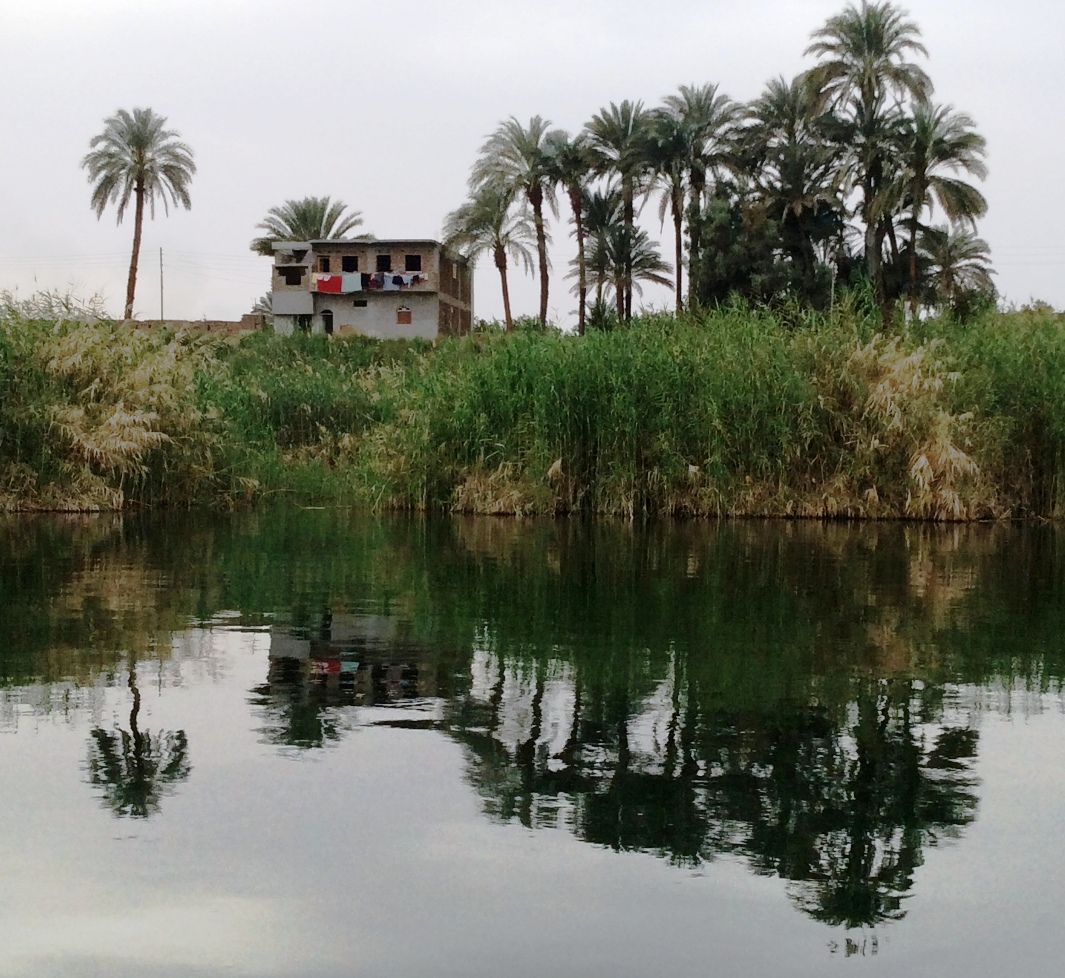
ALONG THE NILE


img_2133

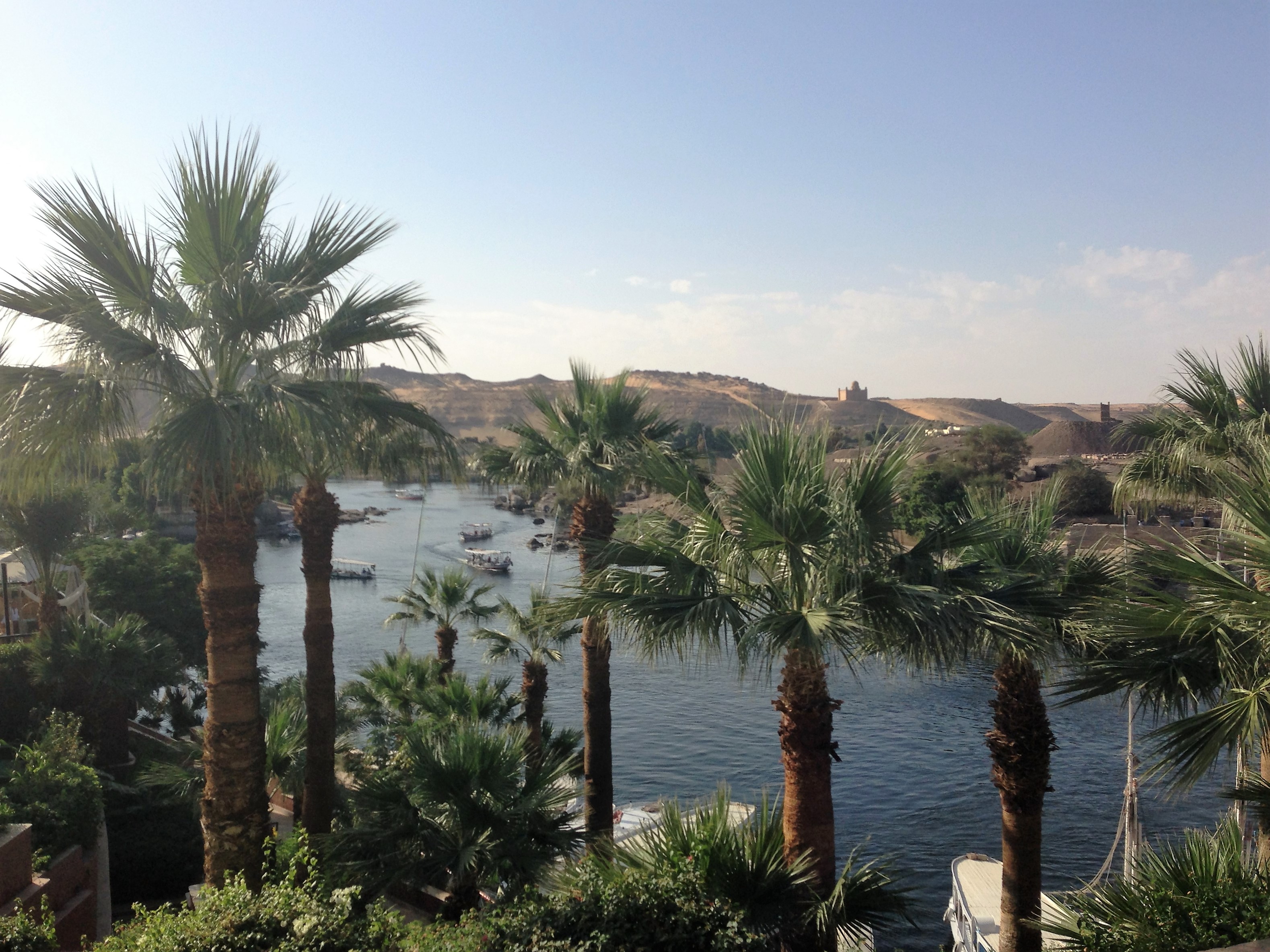
ALONG THE NILE IN ASWAN


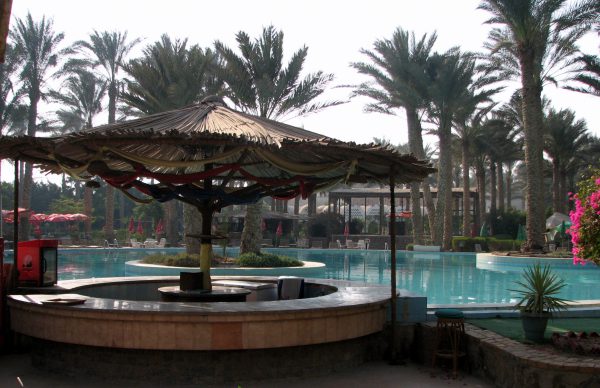
AROUND SWIMMING POOLS

AROUND SWIMMING POOLS

*************

Points of interest –

  • 2,500 different types of palm trees growing throughout the world?
  • they are an important religious symbol  – think of Palm Sunday
  • they give us coconut nuts, dates, betel nuts, and acai fruit
  • and palm wine called KALLU – an alcoholic spirit made in regions of Asia and Africa

More from Egypt soon

Brigitte


Posted in Egypt, Tourism, Travel | Tagged , | Leave a comment