EGYPT’S QUEENS HAVE A VALLEY OF THE KINGS TOO!

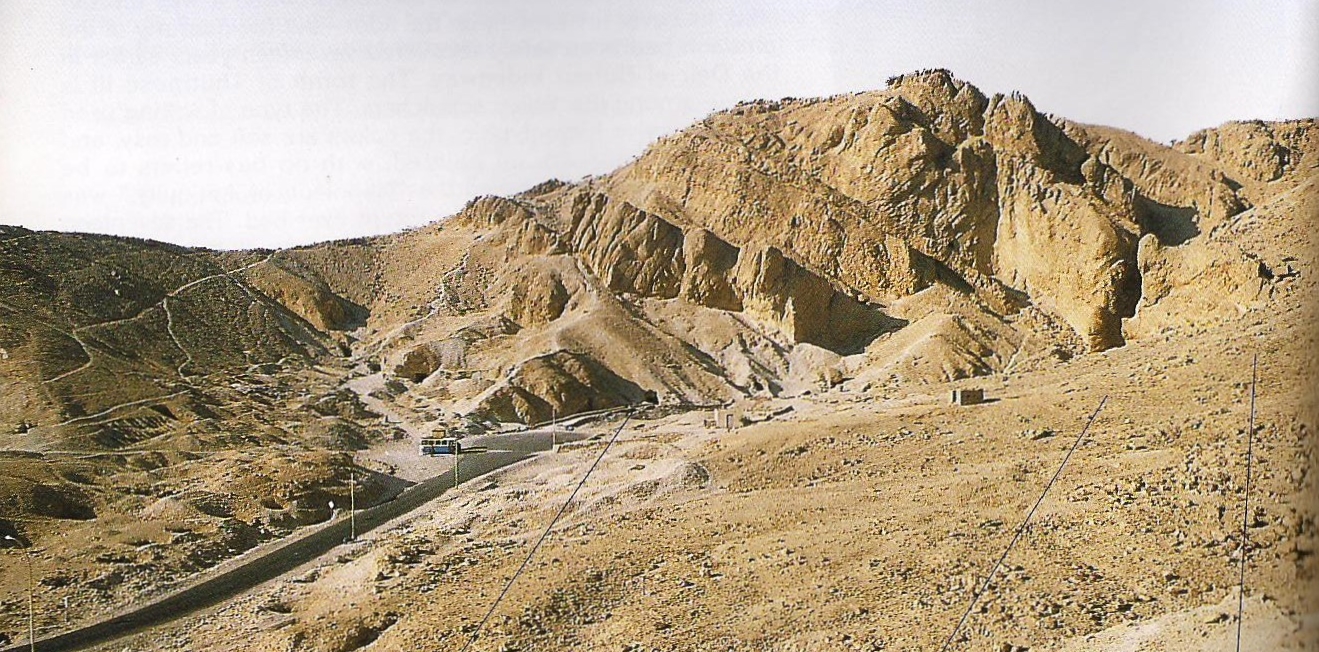
Most of us have heard of the VALLEY OF THE KINGS near Luxor, where many of Egypt’s Pharaohs were buried. But how many of us know that there is also a VALLEY OF THE QUEENS? I certainly didn’t and was very surprised to find out about it.VALLEY IF THE QUEENS

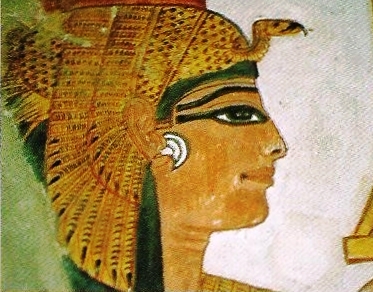
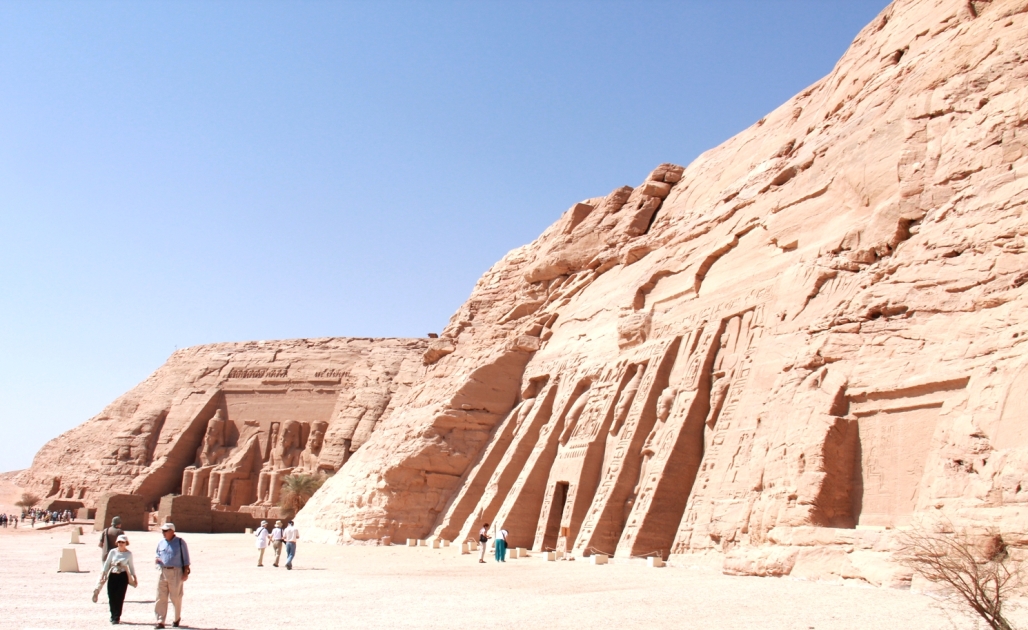
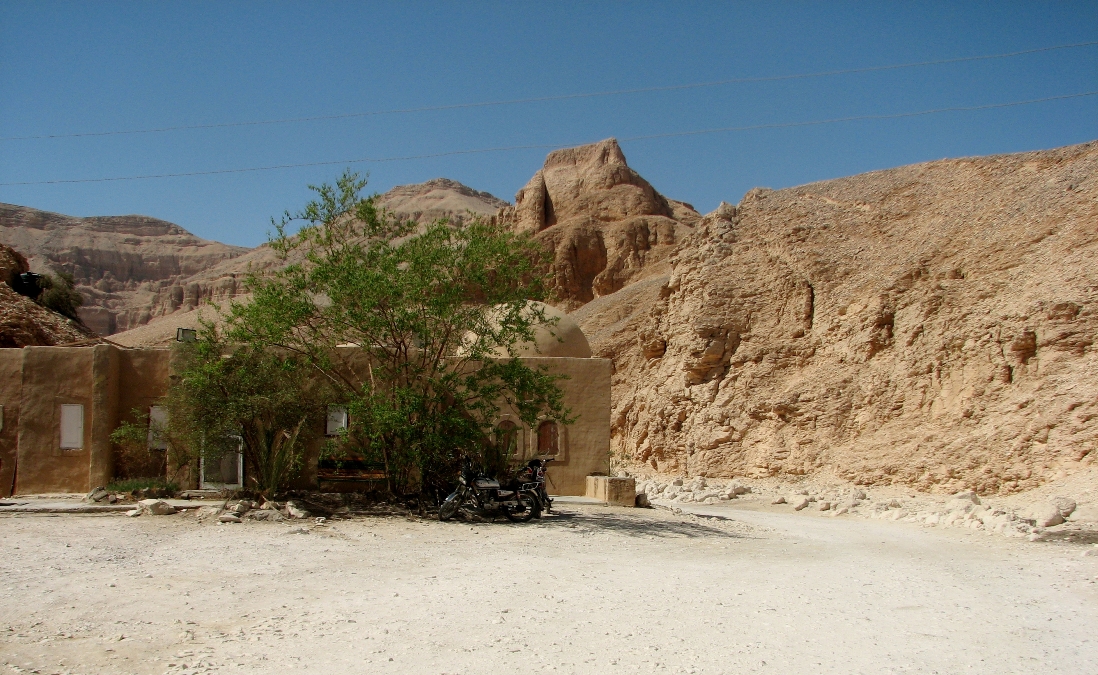
It is located about one mile southwest of the VALLEY OF THE KINGS. The queens, like their Pharaohs  were burial in tombs cut into the mountain. The most famous tomb (QV66)  discovered in 1904 by the Italian Ernesto Schiaperelli, is the tomb of NEFERTARI. NEFERTARIShe was Ramsesses II favorite wife.  He had a temple built for her next to his in Abu Simbel,  where the size of her status where on the same scale as his.

Ramesses II temple is in the far back and Nefertari's is in the front

Ramesses II temple is in the far back and Nefertari’s is in the front

Her tomb is the most spectacular one in the VALLEY OF THE QUEENS – but there are many others very worthwhile to see. with the added advantage that there are never as many tourists as in the VALLEY OF THE KINGS.

PS. When children of the Royal Families died, they were buried in the VALLEY OF THE QUEENS, close to their mothers.

More from Egypt soon

tile bird-3              Brigitte

Posted in Book of the Dead, Film Stars, Luxor. Valley of the Kings | Tagged , , , , , , | 1 Comment

PHOTO OF THE WEEK – EGYPTIAN FASHION

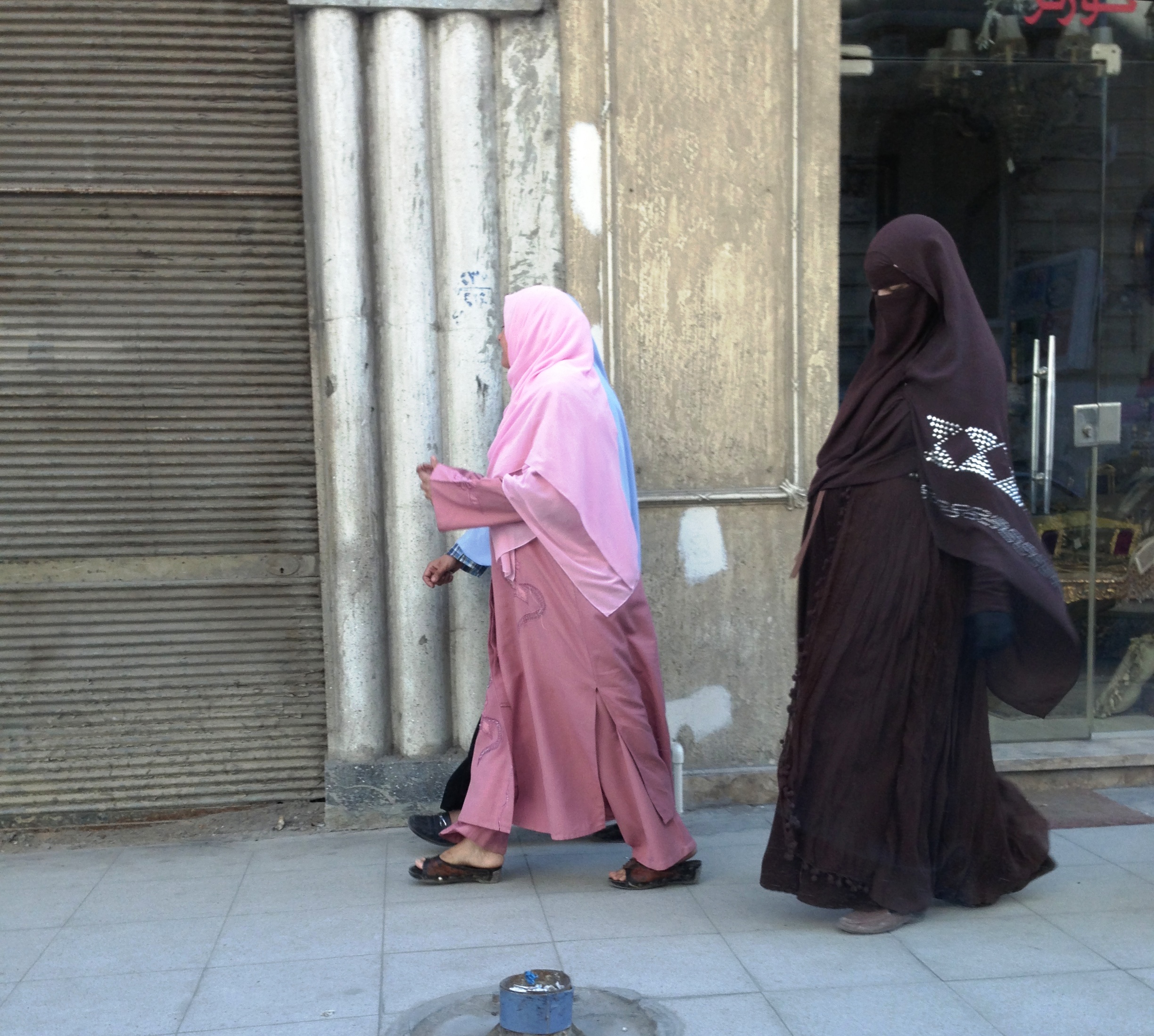
NOT EVERYBODY LIKES BLACK……………..

IMG_2613-2

Women going for a walk down town Alexandria


More from Egypt soon

tile bird-3                                         Brigitte

Posted in Alexandria, Travel | Tagged , , , , | Leave a comment

EGYPT – WE ARE TOLD IT IS SAFE AGAIN

….Egypt Antiquities Showman Tells the World It’s Safe to Visit

Egypt’s best-known archaeologist is a passionate showman with an explorer’s fedora who joined the last, doomed Cabinet of President Hosni Mubarak, then resigned in a swirl of corruption allegations after the 2011 revolution ousted his patron. Admired or reviled, he is once again a frontman for Egypt, exhorting international audiences to see the heritage of a country where unrest has hit tourism hard.

“Egypt is safe,” Zahi Hawass declared last week at a South African casino complex where schoolchildren roamed an exhibition of replicas of King Tutankhamun’s treasures. Egyptian hotels and antiquities sites are secure, said Hawass, who planned to welcome a tour group of 120 Americans to Egypt at the end of January.

Tourism is resurfacing, but it is a hard sell. The uprising that toppled Mubarak, the 2013 military ouster of Islamist President Mohammed Morsi, and sporadic violence have slammed the key Egyptian industry. On Thursday, militants killed 31 security force members in the restive Sinai Peninsula. On Jan. 24, a female activist was shot dead by police during a peaceful rally near Tahrir Square in Cairo, according to witnesses.

The Egyptian Museum, home to King Tut’s gold mask, lies near Tahrir Square, the epicenter of the 2011 protests. Hawass was then antiquities minister, assuring journalists that Egypt’s heritage was mostly intact despite some looting and damage. A stalwart of the old regime, he soon left his post and was besieged by allegations that he abused his position for personal gain.

“The devils came out of the sewage. They hurt me a lot,” Hawass said of his detractors in an interview with The Associated Press. He said it took two years to clear his name.

In his heyday, 67-year-old Hawass was a domineering charlatan to some and, to others, an animated Egyptologist whose antics and ebullience enlivened the staid world of archaeology for a global audience. He once starred in a TV show about his exploits and still wears a wide-brimmed hat, Indiana Jones style, to desert digs.

Now on the lecture circuit, the silver-haired archaeologist was greeted at a Johannesburg airport by a model in mock ancient Egyptian attire, miniskirt included. He told enthralled children he was a “mummy hunter” and gave two rollicking lectures at Silverstar Casino in Krugersdorp, near Johannesburg.

“When you discover a mummy, the media will run after you,” Hawass said to laughter while displaying an image of him inspecting a sarcophagus, surrounded by cameras.

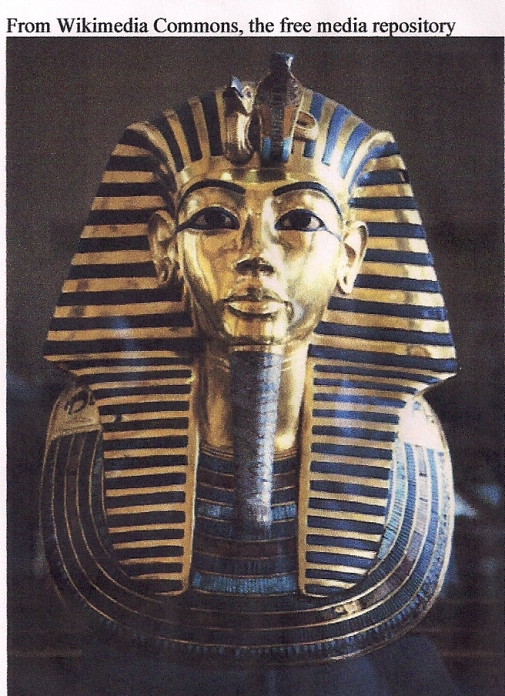
In the AP interview, Hawass questioned the Egyptian Museum’s recent use of epoxy, which can be hard to remove, to glue back a blue and gold braided beard that had been detached from Tutankhamun’s burial mask. The beard was accidentally knocked off last August during work on the relic’s lighting, according to a German expert summoned to Cairo to examine it.

A thin piece of wood can be inserted into a hole in the beard and used to connect the mask parts without the need for other “material,” Hawass said. He added that he “called the people in Egypt” and urged them to inform the public about the case.

Few dispute that Hawass can be a grandstander with a pyramid-sized ego, but many scholarly peers respect what he has done for Egyptian archaeology, which is severely underfunded and under threat from illegal excavations by looters.
Posted in Cairo, Egypt, HABIBTI YA MASR, Tourism, Travel | Tagged , , , , | 1 Comment

TUTANKHAMUN’S BAD LUCK!

yahoonewsdigest-intl posted this

scan0003

TUTANKHAMUN BEFORE HE LOST HIS BEARD


Beard of Egypt’s King Tut hastily glued back on with epoxy

The blue and gold braided beard on the golden mask of famed pharaoh Tutankhamun was hastily glued back on with epoxy, damaging the relic after it became detached during cleaning, conservators at the Egyptian Museum in Cairo said Wednesday. The museum, which many archaeologists and restorers say is not run to professional standards, is one of the city’s main tourist sites. Tutankhamun’s mask, over 3,300 years old, and other contents of his tomb are its top exhibits, drawing tourists from around the world. Three of the museum’s conservators, who spoke anonymously, give varied accounts of what happened to the beard but all say orders came from above to fix it as soon as possible and that an inappropriate adhesive was used.

Unfortunately he used a very irreversible material – epoxy has a very high property for attaching and is used on metal or stone but I think it wasn’t suitable for an outstanding object like Tutankhamun’s golden mask

One conservator

Egypt’s tourist industry, once a pillar of the economy, has yet to recover from three years of tumult following a 2011 uprising that toppled longtime autocrat Hosni Mubarak. Museums and the opening of new tombs are part of plans to revive the industry. But authorities have made no significant improvements to the Egyptian Museum since its construction in 1902, and plans to move the Tutankhamun exhibit show to its new home in the Grand Egyptian Museum scheduled to open in 2018 have yet to be divulged. Neither the Antiquities Ministry nor the museum administration could be reached for comment Wednesday evening. One of the conservators said an investigation was underway and that a meeting had been held on the subject earlier in the day.

 HERE ARE TWO CLOSE UP PHOTOS – BEFORE AND AFTER
WHAT A LOSS  – POOR TUTANKHAMUN!
Happier news from Egypt soon
                                                           Brigitte


Posted in Art, Cairo | Tagged , , , | 2 Comments

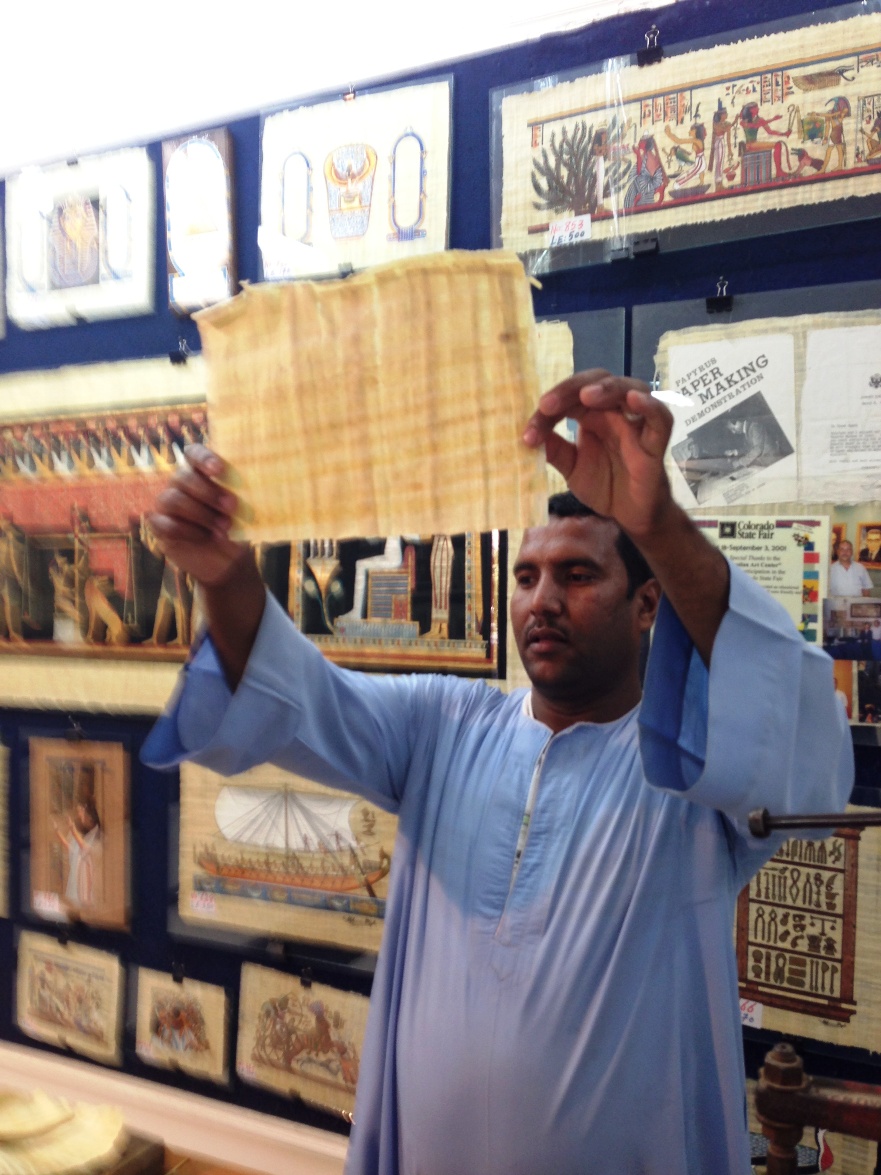
PAPYRUS — BEFORE WE WRITE ON IT

WHEN WE HEAR SOMEBODY MENTION ANCIENT SCROLLS THE FIRST THING THAT TO COME TO MIND IS THE GOLD TONED PAPYRUS – THE FIRST PAPER – FOR LACK OF A BETTER WORD – THAT WAS USED TO RECORD HISTORY.  BUT HOW DOES IT LOOK BEFORE IT IS READY TO WRITE OR PAINT ON?

IMG_7800-2

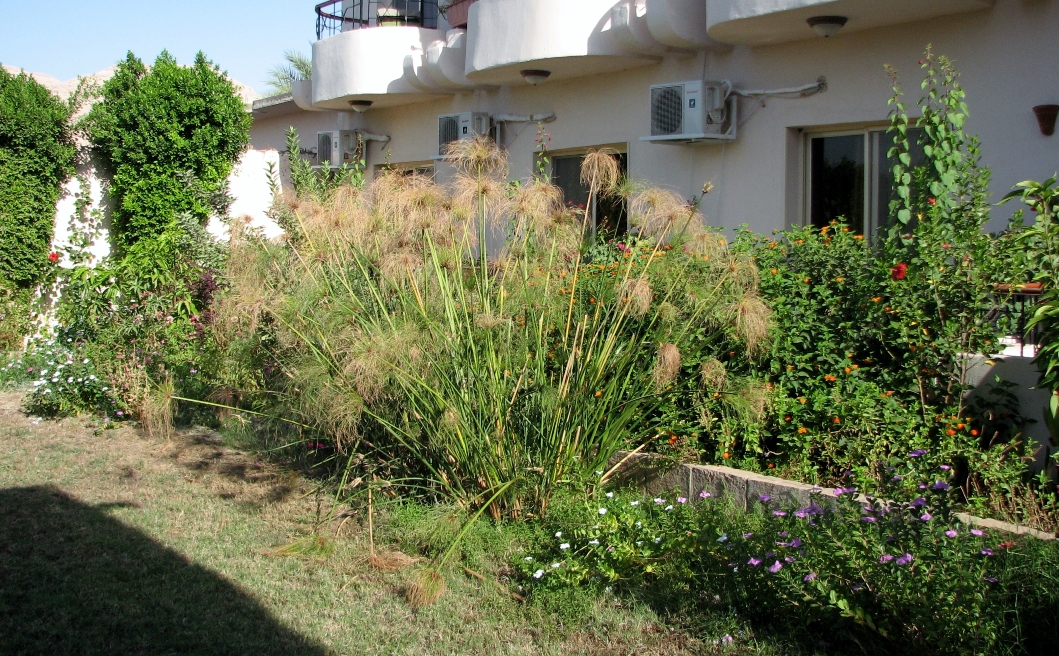
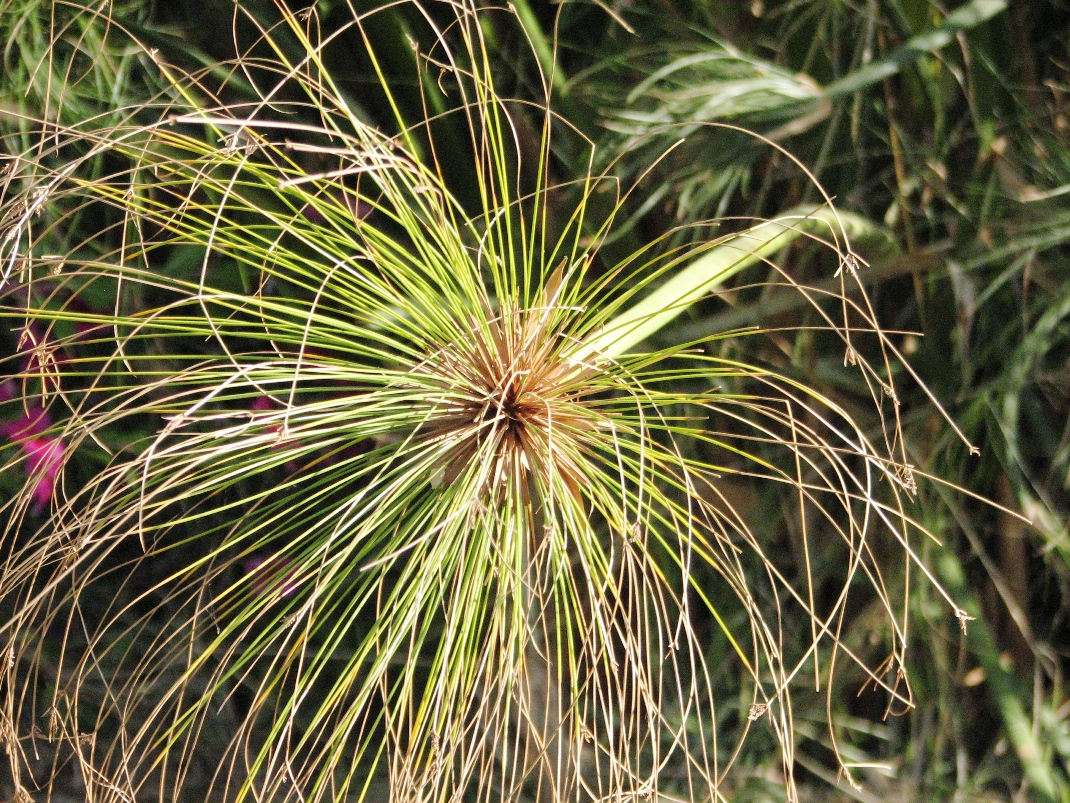
IT STARTS OF AS A FUZZY LOOKING BUSH WHICH GROWS IN THE GARDEN AMONG OTHER FLOWERS AND PLANTS. IN ANCIENT EGYPT IT WAS ONE OF THE MOST IMPORTANT PLANTS BECAUSE IT WAS USED, BESIDES BECOMING PAPYRUS, FOR WOVEN GOODS, FOOD AND EVEN FOR FRAGRANCE.

IMG_7803-2

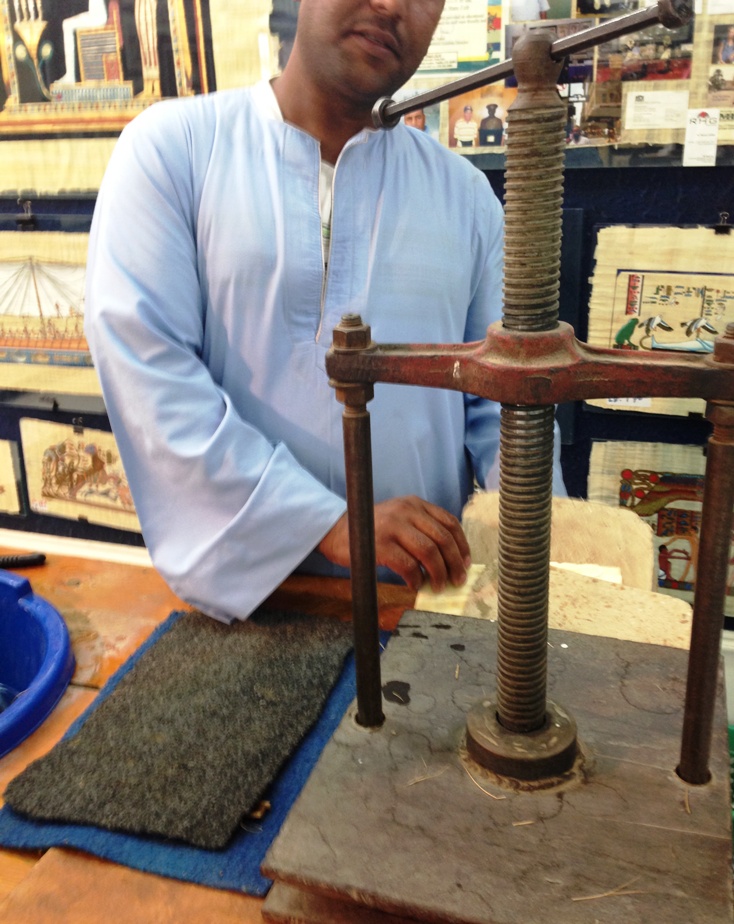
TO TRANSFORM THE LONG GRASS LIKE LEAVES INTO PAPYRUS, THE LEAVES ARE CUT, SOAKED, IMG_1596-2

AND THEN PUT INTO A PRESS IN SUCH A WAY THAT BINDS THEM TOGETHER WHEN DRY. THIS PROCESS ALSO CHANGES THEIR GREEN COLOR INTO A BEAUTIFUL GOLDEN HUE.

IMG_1597-2


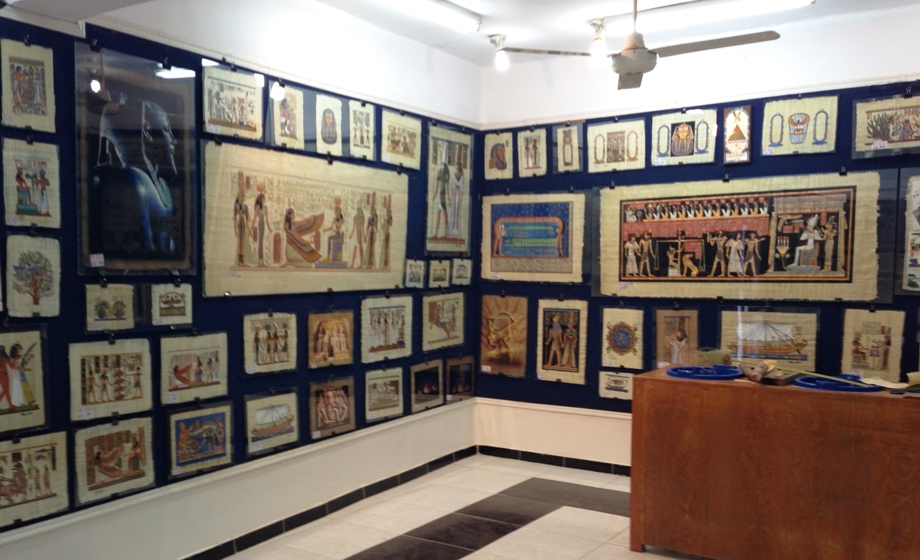
THERE ARE STILL ARTISANS TODAY WHO MAKE PAPYRUS AND HAVE ARTISTS PAINT ANCIENT EGYPTIAN MOTIVES, BRINGING BACK THE PAST

IMG_1601-2


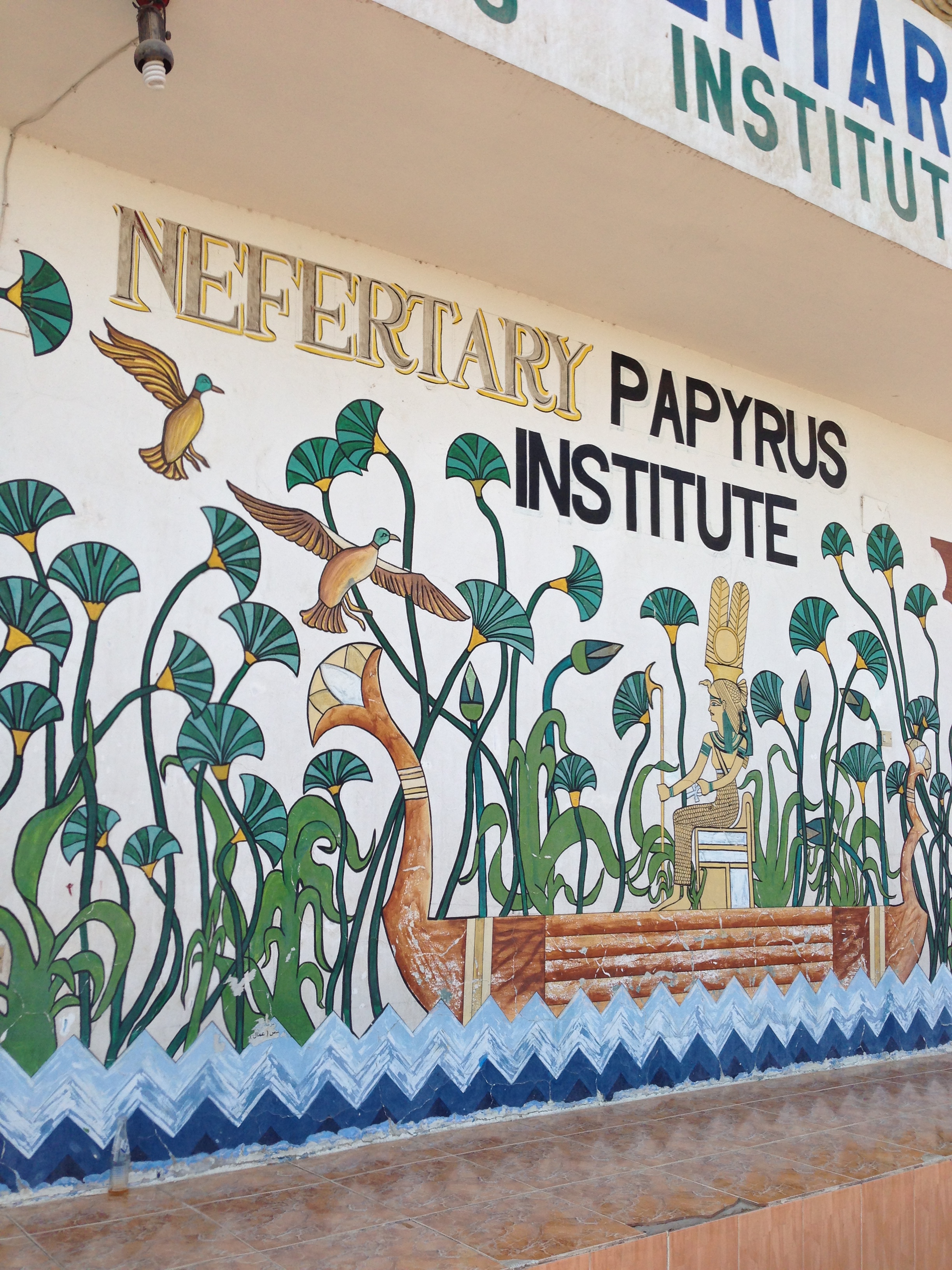
IMG_1534ONE SUCH PLACE IS THE PAPYRUS  INSTITUTE ON THE WEST BANK OF THE NILE NEAR LUXOR -YOU CAN’T MISS IT. IT IS ON THE MAIN ROAD GOING TO THE VALLEY OF THE KINGS.

More from Egypt soon

tile bird-3

Brigitte


Posted in Art, Egypt, Valley of the Kings | Tagged , , , , , , | 2 Comments

PHOTO OF THE WEEK – EGYPT’S MOUNT RUSHMORE?

CAN YOU SEE THE SLEEPING FACE? NOT MADE BY MEN LIKE THE FACES OF MOUNT RUSHMORE HERE IN THE US, BUT CREATED BY THE HAND OF NATURE!  IT IS PART OF A MOUNTAIN FORMATION IN THE VALLEY OF THE QUEENS ON THE WEST SIDE OF THE NILE, NEAR LUXOR.

IMG_7843-2

More from Egypt soon

Brigittetile bird-3


Posted in Ancient Stones, Egypt, Luxor | Tagged , , , | 5 Comments

PHOTO OF THE YEAR – LET’S COUNT OUR BLESSINGS

DOES SOMEBODY LIVE HERE?

IMG_1682-2

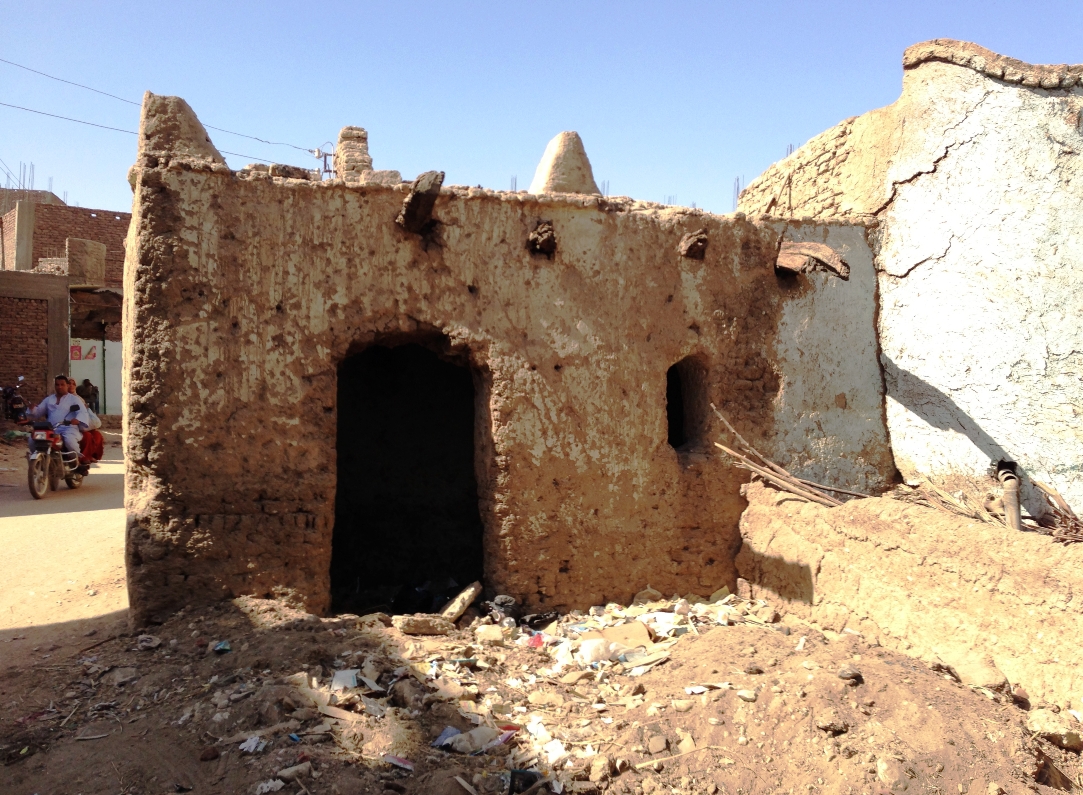
YES! A HOUSE  IN A SMALL VILLAGE ON THE WEST BANK, NEAR LUXOR   –

IF THIS IS WHERE YOU HAVE ALWAYS LIVED AND DON’T KNOW ANOTHER PLACE YOU ARE HAPPY HERE – BUT FOR THOSE OF US WHO HAVE A BATHROOM, A GARDEN, AND  MAYBE TWO BEDROOMS – LET’S COUNT OUR BLESSINGS!

       HAPPY NEW YEAR

More from Egypt in 2015

IMG_7591-3


IMG_1649-2Brigitte

Posted in Egypt, Luxor, Travel | Tagged , , , , , , | Leave a comment

2014 in review

The WordPress.com stats helper monkeys prepared a 2014 annual report for this blog.

Here’s an excerpt:

A New York City subway train holds 1,200 people. This blog was viewed about 5,500 times in 2014. If it were a NYC subway train, it would take about 5 trips to carry that many people.

Click here to see the complete report.

Posted in Uncategorized | Comments Off on 2014 in review

PHOTO OF THE WEEK – AVENUE OF THE SPHINXES – LUXOR

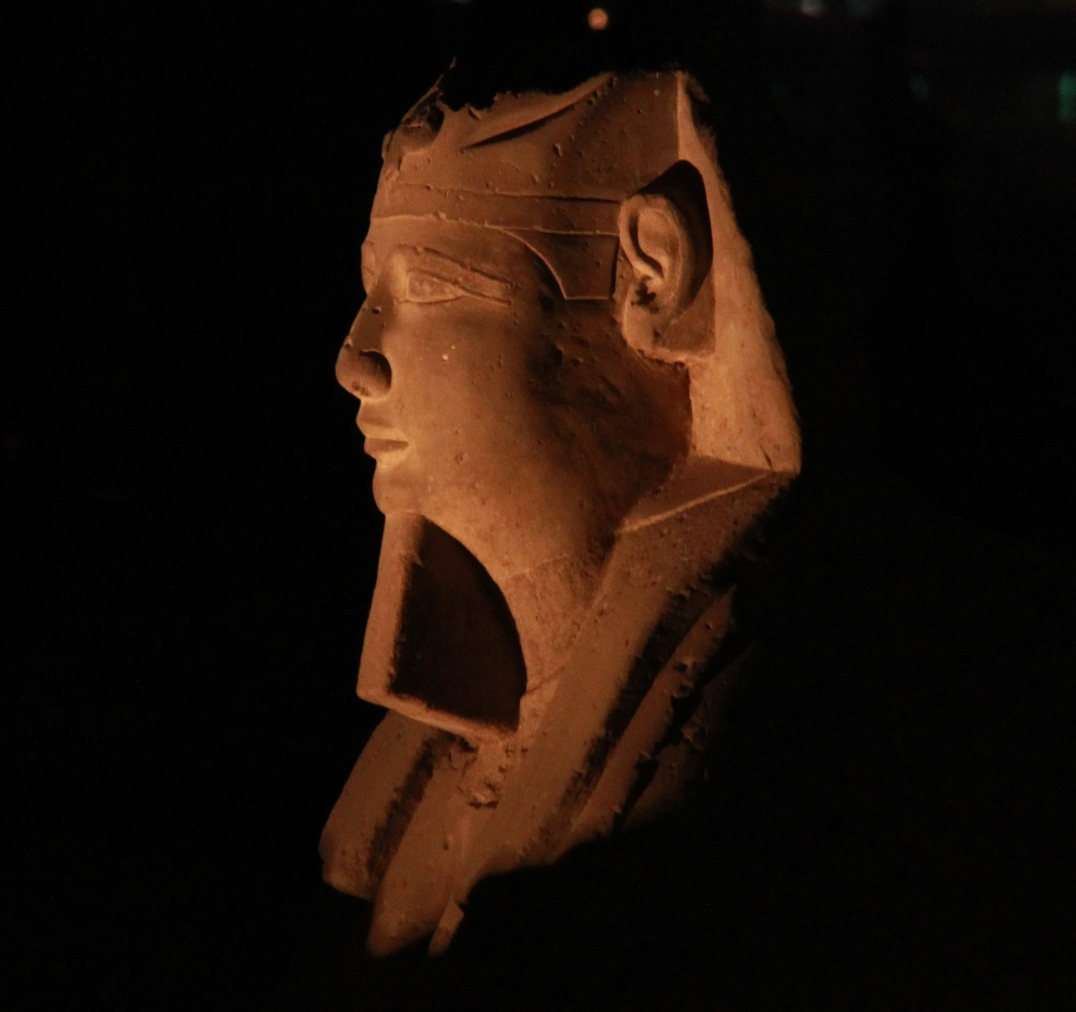
Egypt3020-2A CLOSE UP OF ONE OF THE SPHINXES ALONG THE 1.2 MILE LONG AVENUE, CALLED THE AVENUE OF THE SPHINXES CONNECTING THE LUXOR TEMPLE WITH SOUTHERN END OT KARNAK TEMPLE.

More from Egypt soon

tile bird-3Brigitte


Posted in Ancient Stones, Egypt, Luxor, Temple of Karnak | Tagged , , , , | 2 Comments

CATS BECAME GODS IN ANCIENT EGYPT

Today, according to statistics cats have a slight edge over dogs in popularity as pets. But we are not the first cat lovers. Way back in Ancient Egypt they were first kept as pets, and were praised for controlling vermin and killing snakes such as cobras, but with time cats became gods – like the goddess Bastet, who became the deity representing protection, fertility, and motherhood.

Due to their elevated status and their importance to Egyptian society and religion cats often received the same mummification after death than humans. In 1888, outside the town of Beni Hasan, an Egyptian farmer uncovered a large tomb with eighty thousand cat mummies,  dated after 1000 BC.

In temples throughout Egypt there were  thousands of bronze figures of cats, varying in sizes and forms. The donors of the statues hoped to communicate with the gods.

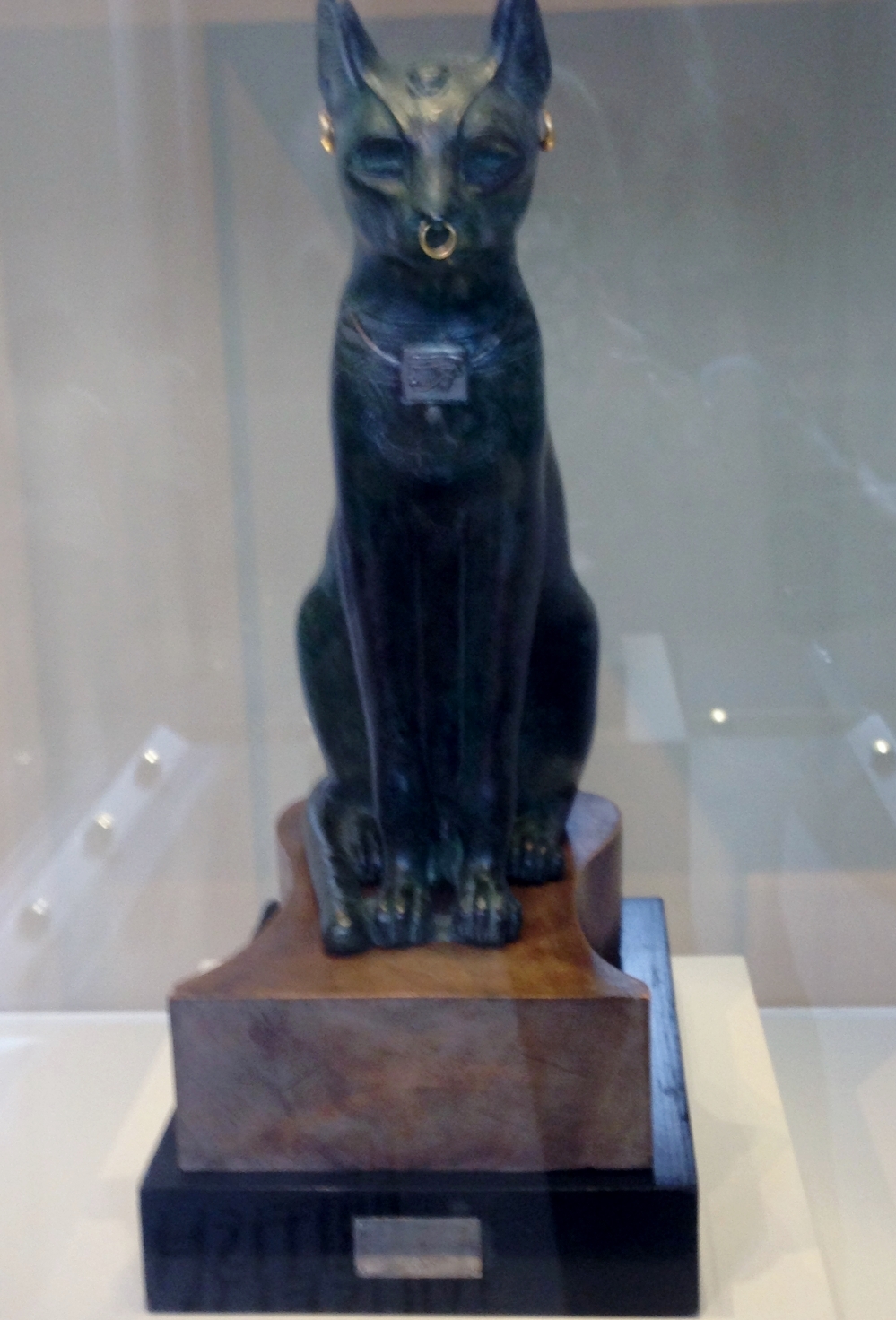
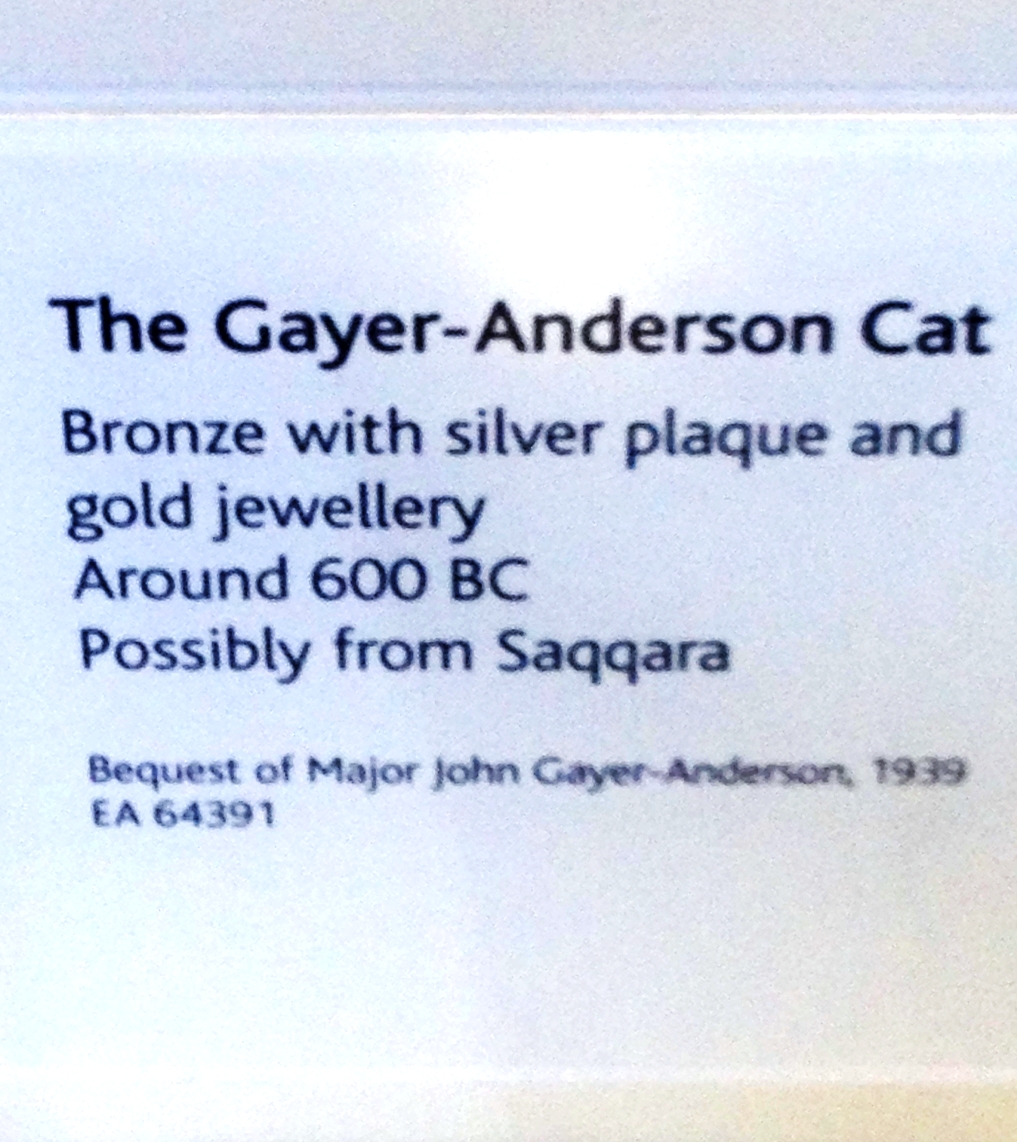
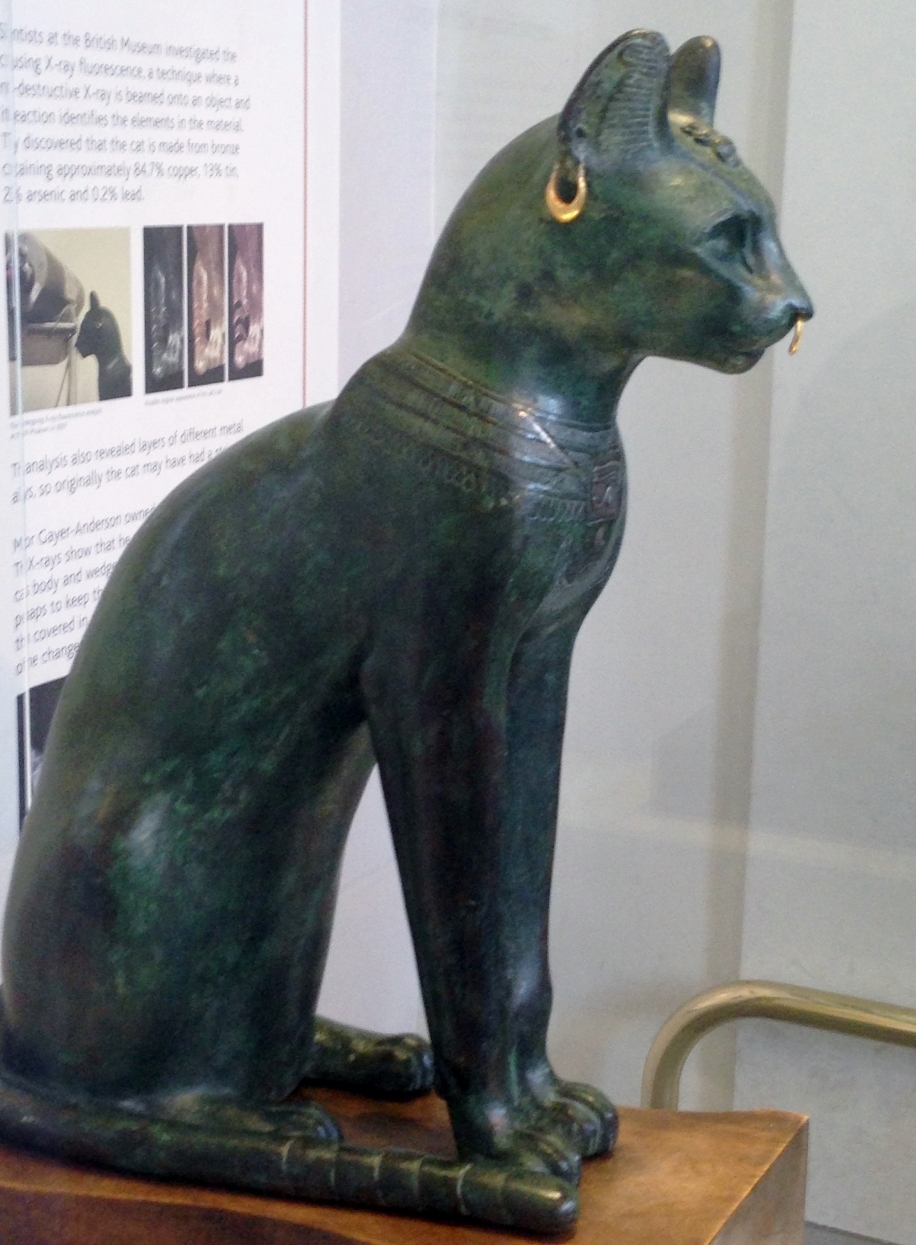
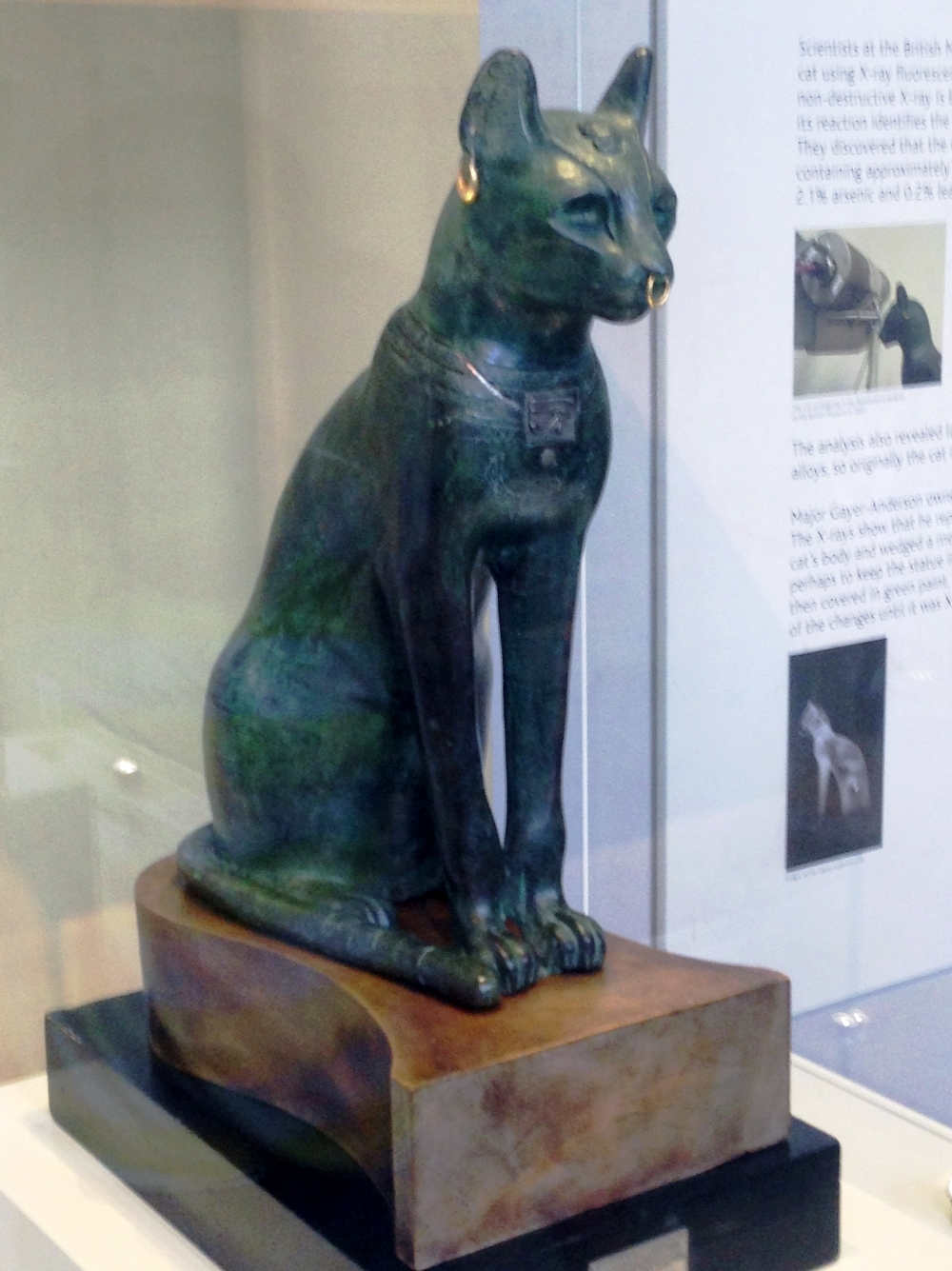
One of these statues is today in the British Museum and  is known as The Gayer Anderson Cat.

R.G.Gayer-Anderson got his decree as a Doctor in 1903 in London, and moved to Egypt in 1906, where he  spend most of his life. When he returned to England he bequested this statue to the Museum in 1939.

IMG_4821-2IMG_4823-2


IMG_4825-2IMG_4824-2


This bronze statue – The Gayner-Anderson Cat – is believed to be a representation of the God Bastet.

More from Egypt soon

tile bird-3Brigitte


Posted in Egypt | Tagged , , , , , | 3 Comments